Dec . 01, 2025 21:15 Back to list
Innovative Removable Fencing Ideas for Flexible, Secure Outdoor Spaces
Getting to Know Removable Fencing Ideas: Why They Matter Today
In a world that’s increasingly dynamic—whether due to urban growth, climate challenges, or shifting security needs—the idea of a fence that’s not permanent is gaining traction. Removable fencing ideas, simply put, are concepts and solutions revolving around fences that can be assembled, disassembled, or relocated quickly and efficiently. Why should we care? Beyond the obvious convenience, this flexibility supports everything from emergency disaster relief and crowd control to construction site safety and quick land-use adjustments globally.
Understanding these ideas unlocks benefits that ripple across public safety, sustainability, and cost efficiency — key drivers that public and private sectors alike can’t ignore.
The Global Context: Why Removable Fencing Ideas Are More Relevant Than Ever
Globally, we see a mix of challenges pushing removable fencing from a niche solution to an industry staple. According to UN Habitat, rapid urbanization means temporary gates and barriers are critical in managing transient spaces like pop-up markets, temporary housing, or construction zones. The World Bank estimates that disaster response costs worldwide exceed $500 billion annually; having fencing that can be deployed immediately to secure relief areas reduces risk and chaos significantly.
Yet the problem lurks—traditional fencing tends to be expensive, time-consuming to install, and unsuitable for quick redeployment. That’s where flexible, removable fencing ideas step in, liberating infrastructure planners from old constraints.
What Exactly Are Removable Fencing Ideas?
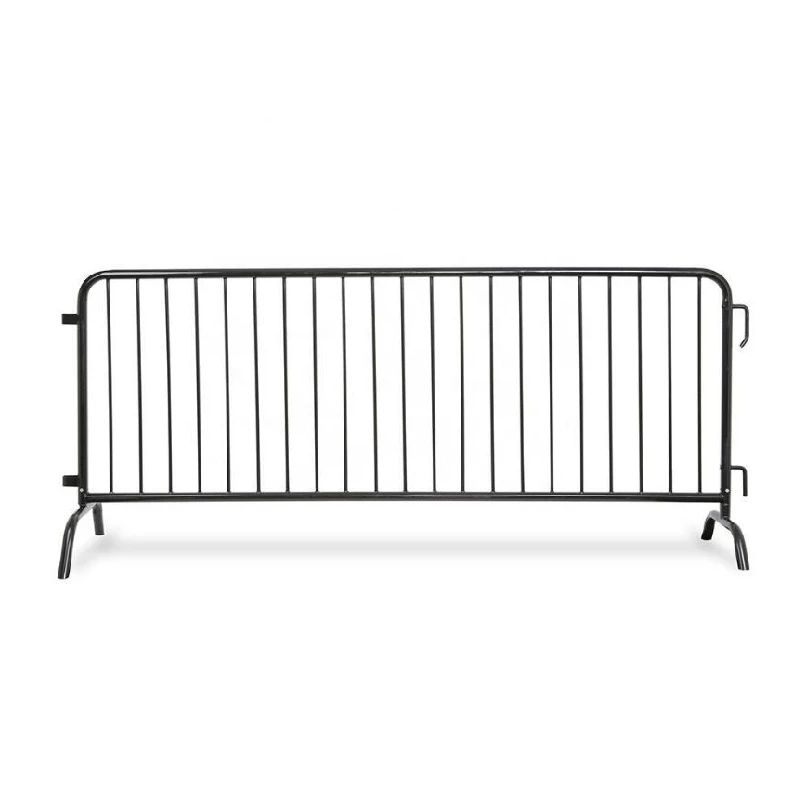
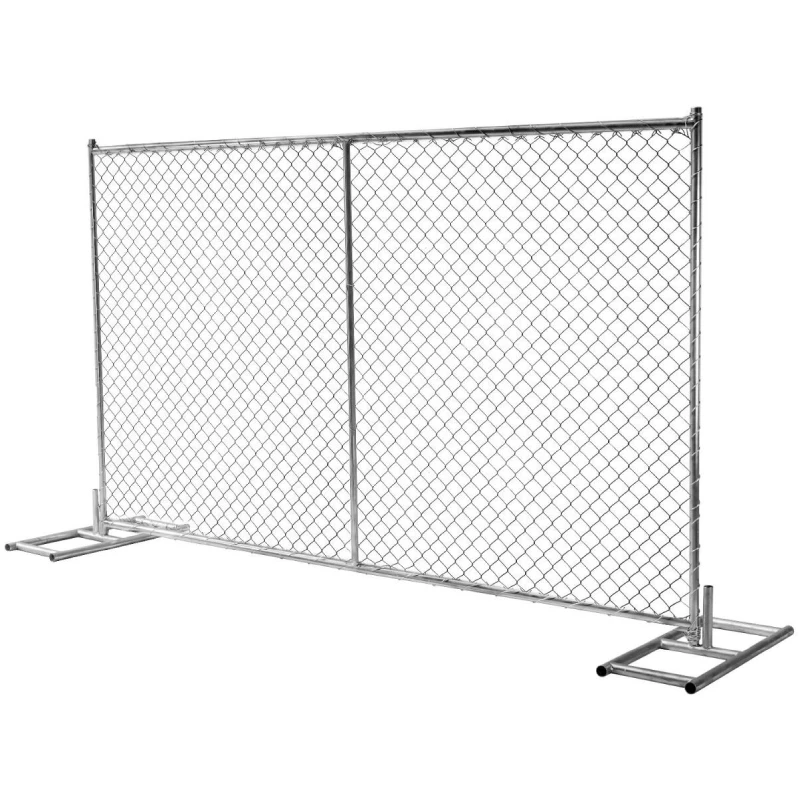
At the heart, these “ideas” cover a wide range of fence concepts designed to be modular, lightweight, and fast to set up or tear down. Imagine fence panels with standardized connectors, bases that require no concrete footings, or full systems designed for multiple terrains and climates. This isn’t just about physical fences but also embraces the design thinking — focusing on ease of transport, minimal tools for assembly, and durability.
This approach aligns closely with modern industry needs: fast turnover work zones, temporary event management, or even humanitarian scenarios where fencing might provide on-the-fly boundary definitions for safety, dignity, or asset control.
Key Aspects Defining Removable Fencing Ideas
Durability and Material Choices
One might assume “removable” sacrifices strength — but many engineers now use galvanized steel, UV-resistant plastics, and powder coatings to ensure panels last through multiple reuse cycles and harsh conditions. In fact, many systems are designed to withstand high winds or vandalism, thanks to clever anchoring solutions.
Scalability and Modularity
Fencing systems must scale from a few panels for a small site to hundreds for a festival or emergency camp. Modular design means pieces snap or bolt together seamlessly, allowing users to expand or shrink their fenced area on short notice.
Cost Efficiency Over Time
At first glance, removable fencing might seem pricier upfront. But when you tally the savings from reduced labor, no need for permanent foundations, and the opportunity to reuse panels multiple times, it makes financial sense – especially in projects lasting months or more.
Portability and Ease of Assembly
Transport and quick installation remain the core of these ideas. Panels typically weigh between 10-15 kg, designed to be handled by just one or two people. Some systems incorporate stackable frames and tool-free locking mechanisms. It’s almost like assembly furniture but sturdier and meant for outdoor environments.
Safety and Compliance
Depending on the use case — say a construction zone vs. a crowd control barrier — removable fencing ideas often meet relevant safety standards set by ISO or national regulators. For example, slip-resistant bases and anti-climb features are now common.
Real-World Uses: From Disaster Relief to Industrial Zones
Across continents, removable fencing solutions have proven vital:
- Post-Disaster Relief: NGOs rapidly erect fenced perimeters to define shelter zones or keep hazardous debris areas separate in the critical days after a disaster.
- Construction Sites: Especially in urban settings, temporary fencing ensures pedestrian safety without permanent land impact, perfect for fast-paced redevelopment projects.
- Event Management: Music festivals, sports events, and fairs rely on quick fencing to guide crowd flow and protect VIP areas.
- Remote Industrial Zones: Mining or oil sites use portable fences to define equipment zones, adjusting layouts as operations shift.
These applications showcase the versatility—and frankly the growing necessity—of having fencing ideas that flex with real-time needs rather than forcing long-term lock-ins.
Simple Spec Table: Typical Removable Fencing Panel
| Feature | Specification |
|---|---|
| Panel Dimensions | 2m (height) x 2.5m (width) |
| Material | Galvanized steel mesh with powder coating |
| Weight | Approx. 13 kg |
| Base Type | Heavy-duty rubber footing with anti-slip |
| Assembly | Tool-free snap connectors |
| Wind Resistance | Up to 100 km/h |
Comparing Leading Vendors of Removable Fencing
| Vendor | Material Quality | Assembly Time | Portability | Price Range |
|---|---|---|---|---|
| PivotFence | High-grade galvanized steel, corrosion-resistant | Under 5 minutes per panel | Stackable, ergonomic design | $$$ |
| FlexiBarrier | Powder-coated steel with plastic mesh | 6–7 minutes | Lightweight, hand-carry handles | $$ |
| RapidGuard | Steel frame, reinforced joints | Fastest — 4 minutes | Portable trolley option | $$$$ |
Why Are Removable Fencing Solutions Worth It?
When you think about it, these fencing systems offer more than barriers — they bring peace of mind and adaptability. From a cost perspective, many operations find savings in logistics and labor. There’s also the sustainability angle: reusing materials instead of tearing down and rebuilding permanently reduces waste. Socially, the ability to create safe, dignified boundaries quickly is invaluable, whether in refugee camps or public events. Innovation keeps building trust, too — many users report how the modular design lets them rethink space management entirely.
What’s Next for Removable Fencing?
The future looks promising. Emerging trends include solar-powered lighting integrated into fence posts, IoT sensors for security monitoring, and eco-friendly materials like recycled composites or biodegradable bases. Digital transformation means some fences might soon report their own location or status through networks — no manual checks required. Sustainability pressures will likely push designs even further, balancing robustness with a smaller carbon footprint.
Common Challenges & Thoughtful Solutions
Though handy, removable fencing does face hurdles. Stability in uneven terrain, vandal resistance, and long-term weathering sometimes cause headaches. Experts suggest hybrid anchoring systems and modular reinforcement kits as one fix. Others advocate regular maintenance protocols paired with user training to extend lifespans. It’s all about adapting product design to real-world unpredictability — a classic engineering dance.
FAQs about Removable Fencing Ideas
Q1: How quickly can removable fences be installed?
Typically, individual panels are installed within 4 to 7 minutes by one or two people. Overall setup time depends on the project’s scale but modular designs drastically lower deployment times compared to permanent fences.
Q2: Are removable fences suitable for high-security needs?
While excellent for crowd control and perimeter marking, removable fencing is usually supplemented with additional security features for sensitive sites. Some models offer reinforced panels or integration with monitoring tech to enhance security.
Q3: Can these fences be used in extreme weather?
Yes, many are engineered to resist winds up to 100 km/h and endure UV exposure. Still, site assessment is crucial; added ballast or anchoring might be needed in severe conditions.
Q4: How do I choose the right removable fencing system?
Consider your use case: Is portability a priority? How long will the fence stay up? What’s your budget? Reviewing vendor specs, like those in our comparison table, helps match needs with products.
Q5: Are removable fences eco-friendly?
Increasingly yes. Manufacturers use recycled materials and design for reuse. Compared to traditional permanent fencing, this reduces waste and resource use substantially over time.
Wrapping It Up: The Value of Flexible Boundaries
Removable fencing ideas aren’t just about fences—they’re about freedom to adapt, save, and protect. So whether you’re managing a festival, securing a construction site, or responding to an emergency, these systems deliver practical and emotional value. Interested in learning more? Visit us at removable fencing ideas to explore versatile options that fit your needs and budget.
Mini takeaway:
You might not have realized how a simple fence can solve complicated, ever-shifting problems. But as urban spaces and climates evolve, these adaptable barriers step into an essential role, balancing practicality with forward-thinking design.
References
-
Australian Temporary Fence Panel-Hebei Dunqiang Hardware Mesh Co., Ltd.|Durable&Cost-Effective
NewsMar.02,2026
-
Australian Temporary Fence Panel-Hebei Dunqiang Hardware Mesh Co., Ltd.|Durable&Cost-Effective
NewsMar.02,2026
-
Australian Temporary Fence Panel-Hebei Dunqiang Hardware Mesh Co., Ltd.|Durable&Cost-Effective
NewsMar.02,2026
-
Comprehensive Guide to Durable Free Standing Livestock Panels and Their Uses
NewsFeb.24,2026
-
Choosing the Right Corral Gate for Livestock Management and Farm Security
NewsFeb.11,2026
-
Find High Quality Pipe Corral Panels for Sale and Enhance Livestock Handling
NewsJan.30,2026