Dec . 01, 2025 21:50 Back to list
Comprehensive Guide to Temporary Fencing Material: Applications, Benefits & Future Trends
Temporary Fencing Material: Guarding the World, One Panel at a Time
Temporary fencing material — sounds simple, right? But when you really stop to think about it, the role these materials play worldwide is anything but small. From bustling construction sites in New York to post-disaster zones in Southeast Asia, temporary fencing acts as a silent guardian. It secures, it directs, and often, it saves lives. This article takes a closer look at what temporary fencing material is, why it matters globally, and how understanding it benefits industries and communities alike.
Why Temporary Fencing Material Matters Globally
Temporary fencing might not hit your daily news feed unless you’re in construction, event management, or emergency response. Yet, it's a vital component in global infrastructure and humanitarian projects. According to the United Nations Office for Disaster Risk Reduction (UNDRR), over 100 million people worldwide experience displacement annually due to natural disasters. In such scenarios, temporary fencing provides safety boundaries that help protect vulnerable populations.
Aside from emergencies, the construction industry's global market size was estimated at $10.5 trillion in 2023 by Statista — with countless sites relying on temporary fencing to secure perimeters and comply with safety regulations. Without reliable fencing solutions, these sites become risk zones for theft, injury, and liability issues.
So, the challenge is clear: How can industries and NGOs deploy fencing efficiently that’s strong but flexible, cost-effective yet sustainable? That’s where quality temporary fencing materials come into play.
What Exactly Is Temporary Fencing Material?
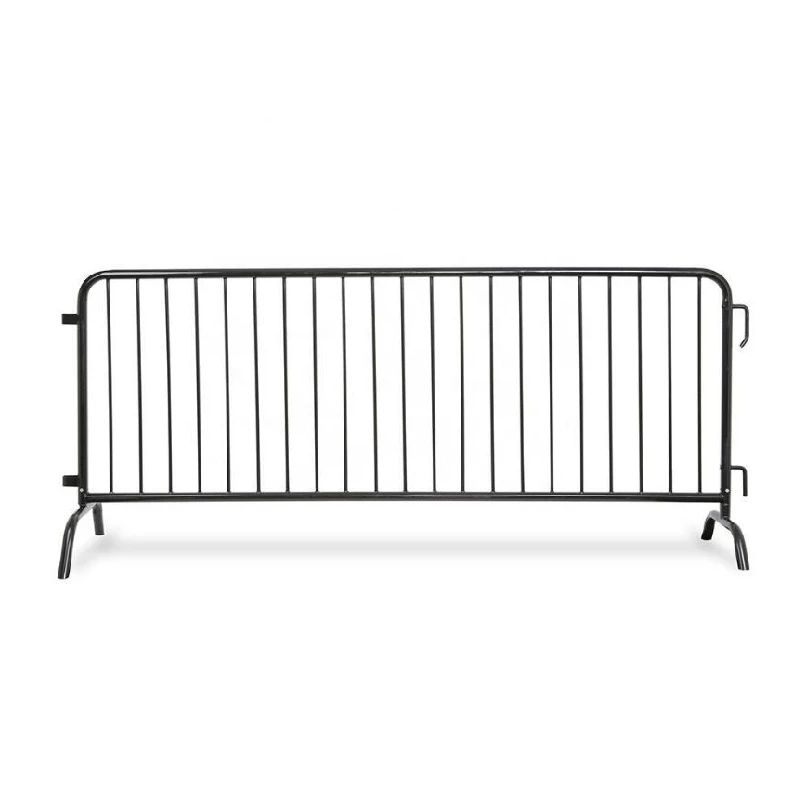
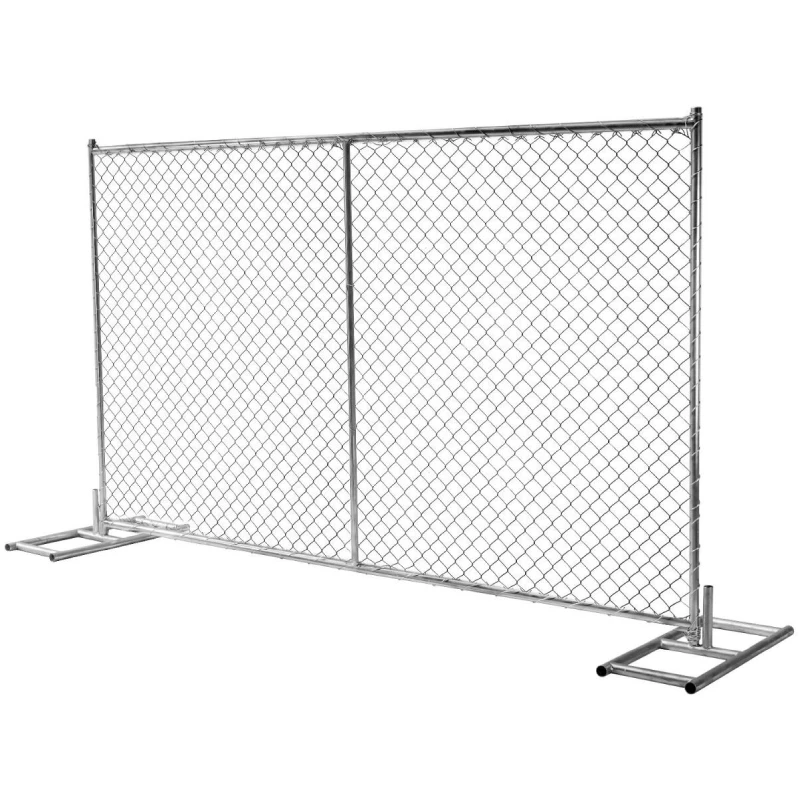
Simply put, temporary fencing material consists of modular panels, posts, and connectors designed to form a demarcated barrier quickly and with minimal tools. These materials are crafted to be reusable, adaptable to different terrain, and easy to transport. Unlike permanent fencing, the focus here is on speed, versatility, and cost efficiency — think of it as fencing you can install one day and take down the next without major hassle.
The materials used range from galvanized steel mesh panels to high-density polyethylene (HDPE) plastic barriers. They're chosen to withstand outdoor elements, resist tampering, and meet regulatory standards for safety and visibility.
Key Components Behind Effective Temporary Fencing
Durability
Temporary fencing faces harsh conditions — wind, rain, maybe even accidental impacts from machinery. That’s why galvanized steel is a popular choice; it resists rust and bends without breaking. Some versions even have powder-coated finishes for extra weather protection.
Scalability
One of the beauties is that temporary fencing systems can scale up or down fast. Whether you’re enclosing a small construction pit or an entire festival ground, you build with panels that link securely but allow creative configurations.
Cost Efficiency
Industries love temporary fencing because it’s a one-time investment with multiple uses. Compared to permanent fences, you’re paying less upfront and avoiding costly permits or heavy machinery for installation — saving time and money.
Portability & Ease of Installation
Modular panels are lightweight enough for two workers to handle yet strong enough to deter trespassers. Many fences come with interlocking bases to stabilize them without needing to dig holes.
Safety & Compliance
Temporary fencing often meets international safety standards — ISO 17707:2017, for example, addresses fencing for crowd control. You can add reflective strips or warning signs, making sites safer, particularly after daylight hours.
Environmental Considerations
With growing attention to sustainability, materials like recycled plastics and eco-friendly coatings are gaining ground. Fences that can be reused more than 10 times reduce landfill waste drastically.
Mini takeaway: The right mix of durability, flexibility, and eco-smart features is what turns temporary fencing material from a mere barrier into a solution that serves many masters well.
How Temporary Fencing Material Supports Global Operations
This material’s impact stretches beyond construction fences. NGOs use it in refugee camps to designate safe zones and protect infrastructure from wildlife damage. In industrial arenas — think mining sites in Australia or oil fields in the Middle East — fencing stabilizes hazardous areas and controls personnel flow.
Event managers at large-scale music festivals, such as Glastonbury in the UK, rely heavily on temporary fencing to define stages, manage crowd safety, and create restricted areas quickly under time pressure.
Even governments employ temporary fencing for quarantine zones during public health emergencies like the COVID-19 pandemic, marking off no-entry areas with visible, effective barriers.
In short, wherever control or protection is necessary — temporarily and efficiently — fencing materials play a critical role. And they do so on every continent.
Advantages and Long-Term Value of Quality Temporary Fencing
- Cost Savings: Less need for heavy equipment and long-term commitments reduces expenses.
- Sustainability: Reuse means less waste; eco-materials help meet green goals.
- Safety & Security: Reliable fencing means fewer accidents, thefts, and liability claims.
- Community Assurance: Visible barriers increase public trust and help maintain order.
- Innovation: Optional add-ons like sensors and integrated lighting enhance functionality.
Frankly, you don’t just pay for a fence — you’re investing in peace of mind and operational flexibility. That’s a subtle but valuable thing whose worth is often underestimated.
Product Specification Table: Typical Temporary Fencing Material
| Specification | Description |
|---|---|
| Material Type | Galvanized Steel Mesh Panel, HDPE Plastic Base |
| Panel Dimensions | 2m (height) x 3.5m (width) |
| Weight per Panel | ~30 kg |
| Finish | Powder Coated or Galvanized |
| Base Type | Weighted Plastic Base with Interlock |
| Expected Lifespan | 5-10 Years (Reusable) |
Comparison of Leading Temporary Fencing Vendors
| Vendor | Panel Material | Base Type | Weight per Panel | UV Resistance | Price Range (USD) |
|---|---|---|---|---|---|
| FenceCo Pro | Galvanized Steel | Plastic Weighted Base | 32 kg | High | $75 - $85 |
| BuildSafe Solutions | Steel Mesh + PVC Coating | Concrete Base Option | 30 kg | Moderate | $70 - $90 |
| QuickFence Rentals | Aluminum Frame Mesh | Rubber Weighted Base | 25 kg | High | $80 - $95 |
Future Trends: What’s Next for Temporary Fencing?
The industry isn't standing still. Innovations are brewing, from smart fences embedded with motion sensors to solar-powered LED warning strips that light up at night for better visibility. The push for green materials with recycled content and low-carbon finishes is accelerating.
More companies also explore modular designs that integrate temporary fencing material with digital monitoring systems — imagine a fence that “alerts” supervisors when panels shift or get tampered with.
Overcoming Challenges in Today’s Temporary Fencing
It’s not all sunshine and smooth installations. Weather extremes, theft, and vandalism remain tough hurdles. Lightweight panels might be stolen or knocked over in high winds if not properly secured. Cost pressures can tempt firms to choose cheaper, less durable fencing that won't hold up long-term.
Experts recommend investing in higher-quality materials and adding surveillance or security patrols for vulnerable sites. Modular fencing that locks tightly and uses heavy interlocking bases also greatly reduces risks — a small upfront effort can save much headache later.
FAQs About Temporary Fencing Material
- Q: How long does temporary fencing material usually last?
- A: With proper care, most galvanized steel or powder-coated panels last between 5 to 10 years. Usage frequency, weather, and handling affect lifespan.
- Q: Can temporary fencing be installed on uneven terrain?
- A: Yes, many panels come with adjustable bases or flexible connectors to accommodate slopes, rocky ground, or uneven surfaces.
- Q: Are there eco-friendly options for temporary fencing?
- A: Absolutely. Some manufacturers offer recycled plastic bases and low-VOC coatings, reducing environmental impact without losing durability.
- Q: Is it possible to rent temporary fencing instead of buying?
- A: Definitely. Rental options are popular for short-term projects or events, often including delivery, installation, and pickup services.
- Q: How fast can a typical temporary fence be installed?
- A: Experienced crews can set up a moderate-sized fenced perimeter within hours, sometimes less, depending on terrain and crew size.
Wrapping Up and Next Steps
Temporary fencing material might seem like just metal and plastic at first glance, but behind that simple barrier lies a powerful tool shaping safety, efficiency, and sustainability worldwide. Whether safeguarding vital construction zones, managing crowds, or protecting displaced communities, these materials are quietly remarkable.
If you're involved in industries relying on physical site security, it’s well worth exploring high-quality temporary fencing material. The long-term savings and reliability are impressive, and the peace of mind? Priceless.
Why not take a closer look at your next fencing project with these insights in mind?
References:
-
Australian Temporary Fence Panel-Hebei Dunqiang Hardware Mesh Co., Ltd.|Durable&Cost-Effective
NewsMar.02,2026
-
Australian Temporary Fence Panel-Hebei Dunqiang Hardware Mesh Co., Ltd.|Durable&Cost-Effective
NewsMar.02,2026
-
Australian Temporary Fence Panel-Hebei Dunqiang Hardware Mesh Co., Ltd.|Durable&Cost-Effective
NewsMar.02,2026
-
Comprehensive Guide to Durable Free Standing Livestock Panels and Their Uses
NewsFeb.24,2026
-
Choosing the Right Corral Gate for Livestock Management and Farm Security
NewsFeb.11,2026
-
Find High Quality Pipe Corral Panels for Sale and Enhance Livestock Handling
NewsJan.30,2026