Feb . 24, 2026 11:00 Back to list
Comprehensive Guide to Durable Free Standing Livestock Panels and Their Uses
Understanding Free Standing Livestock Panels: A Comprehensive Guide
Free standing livestock panels are a versatile and efficient solution for managing and containing livestock. These portable and durable panels are becoming increasingly popular among farmers, ranchers, and animal handling facilities. This article will delve into the benefits, applications, types, and key considerations when choosing free standing livestock panels. We’ll explore how these panels can streamline your operations, improve animal welfare, and contribute to a safer working environment.
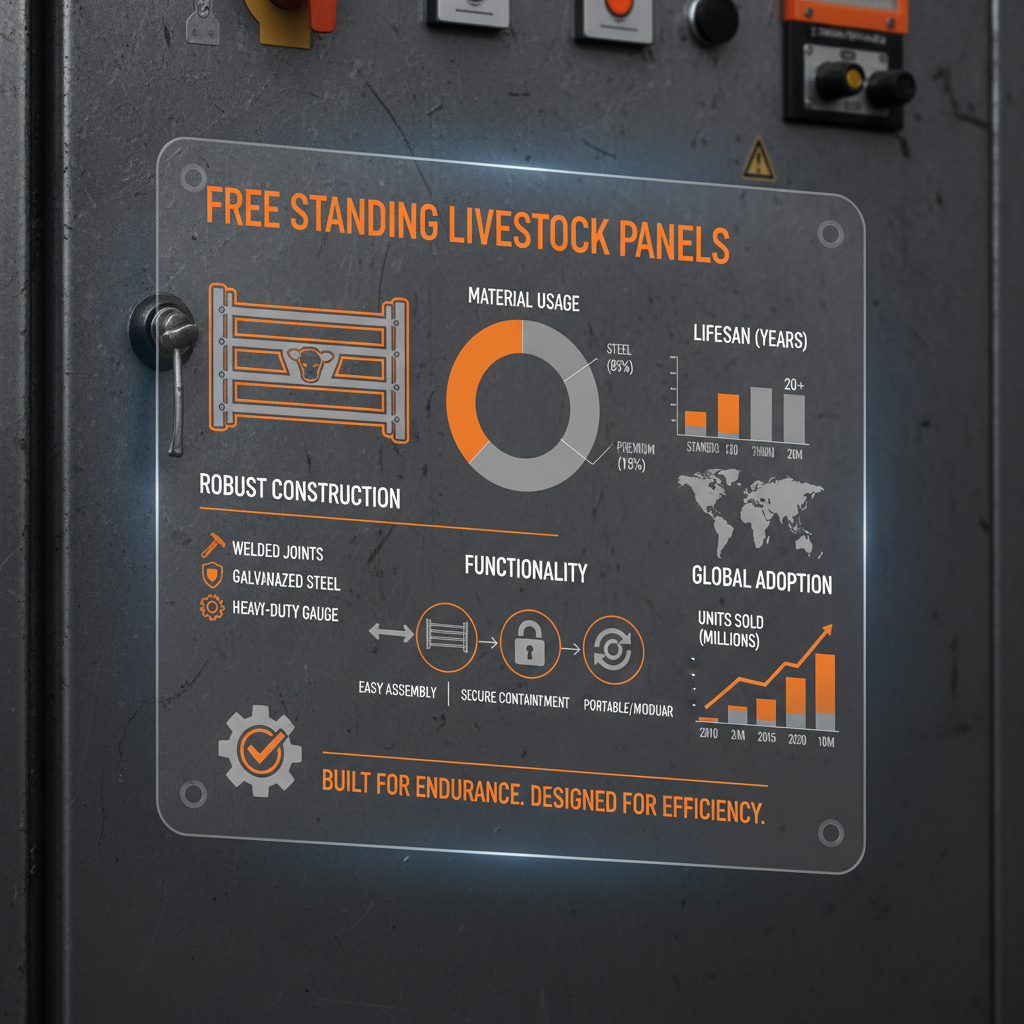
The Advantages of Free Standing Livestock Panels
Compared to traditional fencing methods, free standing livestock panels offer a multitude of benefits. Their portability allows for quick and easy setup and relocation, making them ideal for temporary pens, sorting, and rotational grazing. They require minimal ground disturbance, preserving pasture integrity. Their robust construction provides superior animal containment, reducing the risk of escapes and injuries. Moreover, the ease of handling and storage saves valuable time and labor. Choosing the right livestock panels from a reputable supplier like DQ Fence can significantly improve your livestock management practices.
Key Benefits: Portability, durability, easy setup, minimal ground disturbance, superior animal containment, and time-saving features.
Common Applications of Free Standing Livestock Panels
The versatility of free standing livestock panels lends itself to a wide range of applications. They are frequently used for creating temporary holding pens during veterinary procedures, facilitating efficient livestock sorting for breeding or sales, and establishing rotational grazing systems to optimize pasture utilization. They are also invaluable for emergency situations, such as containing animals during natural disasters or facility repairs. Furthermore, they are commonly used in show arenas and livestock sales events to create safe and organized environments.
Application Examples:
• Temporary Holding Pens
• Livestock Sorting
• Rotational Grazing Systems
• Emergency Animal Containment
Free Standing Livestock Panels: Types and Materials
Free standing livestock panels are available in various types and materials, each offering different advantages. Galvanized steel panels are the most common due to their durability, corrosion resistance, and relatively affordable price point. Heavy-duty steel panels offer increased strength for larger or more aggressive animals. Aluminum panels are lighter weight and easier to handle, making them suitable for smaller livestock or frequent relocation. Panel designs vary, with options including straight panels, curved panels, and gate panels. Understanding these differences will help you choose the best panels for your specific needs.
Choosing the Right Free Standing Livestock Panels for Your Needs
When selecting free standing livestock panels, consider the type and size of livestock you’ll be containing, the terrain of your land, and the frequency with which you’ll be moving the panels. Panel height and spacing are crucial for preventing escapes. The gauge of the steel or aluminum will determine the panel’s strength and durability. Ensure the panels have secure connecting pins or clips to prevent accidental disassembly. Invest in panels from a reputable supplier like DQ Fence, known for their quality and customer support.
Maintenance and Longevity of Your Livestock Panels
To maximize the lifespan of your free standing livestock panels, regular maintenance is essential. Inspect panels for damage, such as bent or broken sections, and repair or replace them promptly. Keep connecting pins and clips clean and lubricated to ensure smooth operation. Store panels in a dry location to prevent rust and corrosion. Proper maintenance will not only extend the life of your investment but also ensure the continued safety of your livestock. Regularly cleaning the panels and checking for any signs of wear and tear can prevent costly replacements.
Conclusion: Investing in Efficient Livestock Management
Free standing livestock panels are a valuable investment for any livestock operation. Their portability, durability, and versatility make them an essential tool for efficient animal management. By choosing the right panels from a trusted supplier like DQ Fence, you can streamline your operations, improve animal welfare, and create a safer working environment.
Frequently Asked Questions (FAQs)
What is the standard height for free standing livestock panels?
Standard heights for free standing livestock panels typically range from 5 to 6 feet. The appropriate height will depend on the type and size of livestock you are containing. For larger animals like cattle, a 5.5 or 6-foot panel is recommended. For smaller animals like sheep or goats, a 5-foot panel may be sufficient. It’s essential to choose a height that prevents animals from jumping or stepping over the panels.
How much weight can free standing livestock panels hold?
The weight capacity of free standing livestock panels varies depending on the material and construction. Galvanized steel panels typically have a higher weight capacity than aluminum panels. A well-constructed steel panel can generally withstand the force of a large animal leaning or pushing against it. Always check the manufacturer's specifications for the specific weight capacity of the panels you are considering.
Are free standing livestock panels easy to install?
Yes, free standing livestock panels are designed for easy installation. They typically require no digging or permanent fixtures. Simply position the panels in the desired location and connect them using the provided pins or clips. However, on uneven terrain, it’s crucial to ensure the panels are stable and properly supported to prevent tipping.
What is the best way to store free standing livestock panels?
To prolong the life of your panels, store them in a dry, covered location, protected from the elements. Stacking panels neatly can save space. It's advisable to place a barrier between the panels to prevent scratching or damage to the galvanization. Proper storage prevents rust and corrosion, ensuring the panels remain in good condition for years to come.
-
Australian Temporary Fence Panel-Hebei Dunqiang Hardware Mesh Co., Ltd.|Durable&Cost-Effective
NewsMar.02,2026
-
Australian Temporary Fence Panel-Hebei Dunqiang Hardware Mesh Co., Ltd.|Durable&Cost-Effective
NewsMar.02,2026
-
Australian Temporary Fence Panel-Hebei Dunqiang Hardware Mesh Co., Ltd.|Durable&Cost-Effective
NewsMar.02,2026
-
Choosing the Right Corral Gate for Livestock Management and Farm Security
NewsFeb.11,2026
-
Find High Quality Pipe Corral Panels for Sale and Enhance Livestock Handling
NewsJan.30,2026