Nov . 15, 2025 21:00 Back to list
Durable & Cost-Effective Temporary Picket Fence Panels | Quick Setup & Rental Options
Understanding Temporary Picket Fence Panels: Why They Matter Worldwide
Temporary picket fence panels might not be the first thing you think of when it comes to global infrastructure or disaster relief. However, these simple, portable fencing solutions play a surprisingly vital role across a range of industries—from construction sites and industrial zones to humanitarian relief and public safety events. Their ability to swiftly secure an area, direct foot traffic, and provide a safe barrier reduces hazards and improves organization, saving both lives and money in the process.
In a world increasingly focused on flexibility, sustainability, and rapid response, understanding the practical benefits of temporary picket fence panels can pay off—for business owners, NGOs, and government officials alike.
The Global Context: Why Temporary Fencing Is More Relevant Than Ever
Globally, urban development and emergency preparedness are growing sectors, with the UN estimating that nearly 68% of the world’s population will live in cities by 2050 (UN, 2018). This urban sprawl demands agile solutions to quickly cordon off construction zones or event spaces without permanent disruption. Additionally, natural disasters continue to displace millions annually, creating urgent needs for temporary barrier solutions that protect and organize relief operations.
Yet, a common challenge arises: how to secure large, sometimes shifting areas cost-effectively and sustainably? Here, temporary picket fence panels provide a practical answer—and that’s precisely why their demand is growing in every corner of the globe, from mega cities to remote industrial sites.
What Exactly Are Temporary Picket Fence Panels?
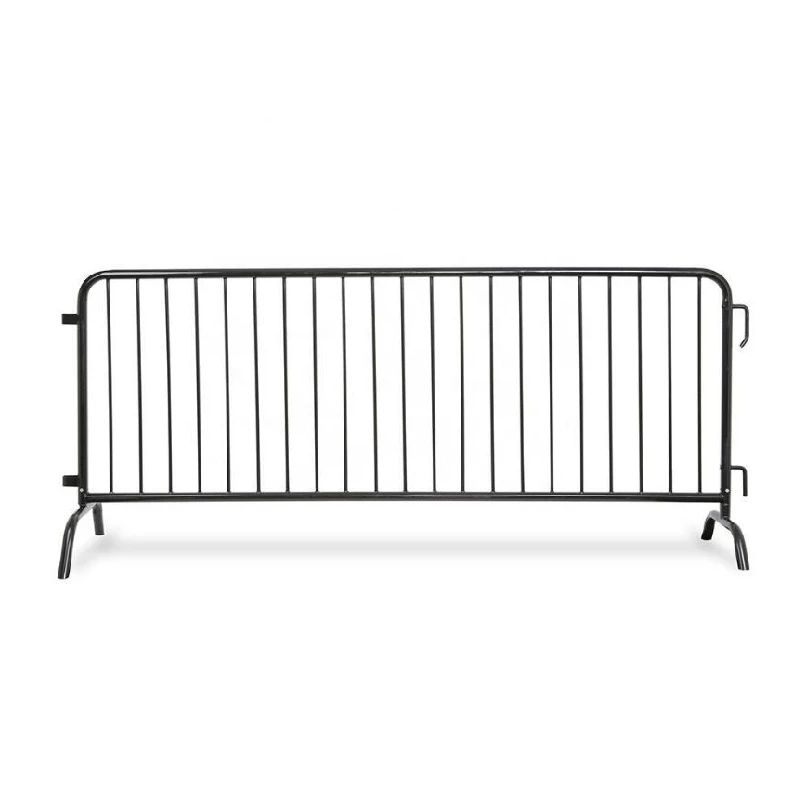
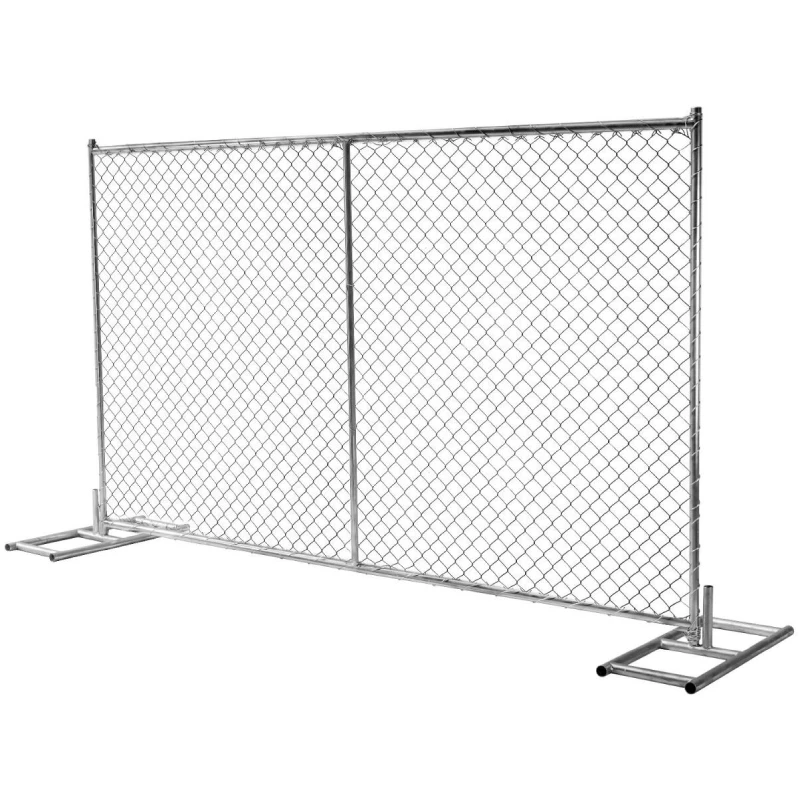
At their core, temporary picket fence panels are portable fence sections designed for short-term usage that can be easily installed, rearranged, or removed without damaging the underlying ground or requiring tools every time. Traditionally, “picket fences” remind us of quaint wood fences with vertical slats, but in the temporary fencing world, these panels are often made of metal or high-grade PVC for durability and weather resistance.
In modern industry or humanitarian efforts, these panels create secure perimeters, guide pedestrian flow, or protect vulnerable areas—offering a balance between visibility, strength, and quick deployment.
Core Components of Modern Temporary Picket Fence Panels
Durability
Whether it’s the searing sun or heavy rain, temporary fence panels have to stand up to considerable environmental stress. Many use powder-coated steel or UV-resistant plastics to resist corrosion and fading. This means they’re ready to work for weeks or months on-site without falling apart or losing their protective function.
Scalability
One panel can only cover so much ground—but the magic is in linking many panels to enclose large areas efficiently. From a handful for a small event to hundreds around a construction super-site, scalability ensures quick, flexible setups.
Cost Efficiency
Temporary fencing solves lots of logistic headaches but doing so inexpensively is key. The ability to rent or reuse panels across multiple projects keeps budgets tight, especially important in humanitarian missions or municipal projects.
Ease of Transport & Installation
The best temporary picket fence panels are lightweight, stackable, and come with footings or connectors that snap or bolt without heavy machinery—allowing even small crews to deploy large barricades rapidly.
Visibility & Safety
Picket fences naturally allow good sightlines, which means security personnel can monitor crowds or sites easily. Plus, many panels come with optional reflective strips or attachable signage for nighttime or hazard warnings.
Mini takeaway:
Think of these panels as the Swiss Army knives of temporary barriers — highly adaptable, durable, and surprisingly user-friendly.
Worldwide Use Cases: From Disaster Zones to Urban Events
Because the applications are so diverse, let’s look at a few concrete examples:
- Post-Disaster Relief: After hurricanes or earthquakes, rapid site demarcation is critical to protect rescue workers and manage supplies. NGOs use temporary fencing to create safe zones and prevent looting.
- Construction & Industrial Sites: In booming urban centers like Dubai or Shanghai, hazardous zones are cordoned off quickly to shield passersby and keep operations efficient.
- Public Events & Crowd Control: From marathons in Europe to music festivals in North America, these panels regulate crowds without the permanence or cost of built structures.
- Renewable Energy Facilities: In remote solar farms or wind parks, temporary fencing keeps animals and unauthorized people out during setup.
Interestingly, it’s often in remote or informal economies where portable, easy fencing is a real game-changer — enabling projects that otherwise could not ensure on-site security or safety.
Advantages and Lasting Value for Users
The benefits aren’t just operational. In practical terms, temporary picket fence panels offer:
- Reduced Liability: Safer zones mean fewer accidents, fewer injuries, and less legal risk.
- Improved Efficiency: Well-organized sites cut downtime and improve workflows.
- Environmental Sustainability: Reusable panels reduce waste and the carbon footprint vs. constructing permanent walls.
- Social Impact: Secure sites help maintain dignity during relief efforts — nobody wants to feel like they’re camped in a chaotic, unsecured mess.
Product Specifications at a Glance
| Feature | Common Specs | Typical Material | Notes |
|---|---|---|---|
| Panel Size | 2m (height) × 2.5m (width) | Steel, PVC | Standard for construction sites |
| Weight | Approx. 15-20 kg per panel | Powder-coated steel | Light enough for quick setup |
| Base Type | Concrete or metal feet | Cast iron or rubber base options | Prevents tipping, stabilizes panels |
| Connectivity | Interlocking clamps or hooks | Steel fittings | Allows quick linkage between panels |
| Finish | Powder-coated paint | UV and corrosion resistant | Extends panel life outdoors |
Vendor Comparison: What to Look for When Choosing Temporary Panels
| Feature | Vendor A | Vendor B | Vendor C |
|---|---|---|---|
| Panel Material | Galvanized Steel | High-Density PVC | Powder-Coated Steel |
| Ease of Installation | Tool-free clamps | Bolted connections | Snap-lock system |
| Weight | 18 kg | 14 kg | 16 kg |
| Available Accessories | Bases, Reflective Tape, Locks | Bases, Sign Holders | Bases, Connectors, Weighted Feet |
| Rental Option | Yes | No | Yes |
| Lead Time | 2-3 days | 1 week | 3-4 days |
What the Future Holds: Trends in Temporary Fencing
Looking ahead, the rise of sustainability and digital innovation is influencing fencing solutions. Some companies are experimenting with recycled and bio-based polymers to reduce environmental impact. Others use RFID-tagged panels to digitally track inventory and optimize deployment through automated logistics software.
Innovation also comes in the form of more modular designs that integrate solar-powered LED warning lights or smart sensors that detect breaches or damage. This sort of tech could very well become standard in large-scale construction or event fencing by 2030.
Challenges and Practical Solutions
Of course, not everything about temporary fencing is smooth sailing. Panels can be heavy and awkward to transport on uneven terrain. Theft and vandalism are a persistent issue in some regions. Also, aligning uneven ground during installation sometimes requires additional shimming or adjustable feet, adding complexity.
Experts recommend combining temporary picket fence panels with security patrols and surveillance to minimize theft. Investing in lightweight composite materials helps deployment in tricky environments, and modular leveling components have been a lifesaver on uneven sites.
FAQ: Your Practical Questions about Temporary Picket Fence Panels
1. How quickly can temporary picket fence panels be deployed on site?
Deployment speed varies depending on the surface and team size, but many panels feature tool-free connections allowing a small crew to set up hundreds of meters within a few hours—sometimes under a day for typical construction needs.
2. Are temporary picket fence panels reusable and environmentally friendly?
Yes, they’re designed for multiple uses, reducing waste compared to disposable barriers. Many are made from recyclable metals or plastics, and newer eco-friendly models incorporate recycled materials, improving sustainability.
3. Can these panels be customized for branding or safety warnings?
Absolutely. Vendors often offer attachable sign holders or panels painted in custom colors. Reflective strips and warning labels are common add-ons to increase visibility and safety compliance.
4. What are the main considerations when renting versus buying temporary fences?
Renting is usually cost-effective for short-term or one-off projects, including delivery and pickup services. Buying makes sense for frequent, long-term use but requires storage and maintenance planning.
5. Are temporary picket fence panels suitable for uneven or soft ground?
Many panels come with adjustable feet or weighted bases to stabilize on uneven or soft terrain. However, extremely soft soils might need additional anchoring or ballast to ensure stability and safety.
In Summary: Temporary Picket Fence Panels Are More Than Just Barriers
At the end of the day, these seemingly modest fences are quietly shaping the landscapes of our cities, relief zones, and event spaces alike. Their versatility, cost-effectiveness, and growing tech-compatibility make them an essential tool in modern infrastructure and humanitarian toolkits. If you’re looking for reliable, quick, and scalable fencing solutions, it’s worth exploring what temporary picket fence panels can do for your next project.
For further insights and product guides, feel free to browse the resources linked above — the world of temporary fencing is evolving fast, and there’s always something new happening just around the corner.
References
-
Australian Temporary Fence Panel-Hebei Dunqiang Hardware Mesh Co., Ltd.|Durable&Cost-Effective
NewsMar.02,2026
-
Australian Temporary Fence Panel-Hebei Dunqiang Hardware Mesh Co., Ltd.|Durable&Cost-Effective
NewsMar.02,2026
-
Australian Temporary Fence Panel-Hebei Dunqiang Hardware Mesh Co., Ltd.|Durable&Cost-Effective
NewsMar.02,2026
-
Comprehensive Guide to Durable Free Standing Livestock Panels and Their Uses
NewsFeb.24,2026
-
Choosing the Right Corral Gate for Livestock Management and Farm Security
NewsFeb.11,2026
-
Find High Quality Pipe Corral Panels for Sale and Enhance Livestock Handling
NewsJan.30,2026