Nov . 17, 2025 15:30 Back to list
Durable Construction Panel Fencing Solutions for Safer Sites | DQ Fence
Construction Panel Fencing: Essentials for a Safer, Smarter World
Imagine a bustling construction site in a major city or a temporary facility set up rapidly to house disaster relief efforts. Both scenarios share a key commonality — the need for reliable perimeter security that’s easy to deploy, durable, and adaptable. That’s where construction panel fencing steps in. This specialized fencing system isn't just metal bars or wire mesh slapped together; it’s a thoughtfully engineered solution critical across industrial sectors and humanitarian projects worldwide.
Globally, as urbanization accelerates and emergency responses become more frequent due to climate change, construction panel fencing offers a practical answer to multifaceted challenges, combining safety with efficiency. Understanding its core benefits and applications is key not just for builders, but anyone involved in infrastructure planning, logistics, or security.
The Global Context: Why Construction Panel Fencing Matters Now
According to data from the UN’s Human Settlements Programme (UN-Habitat), nearly 68% of the world population is projected to live in urban areas by 2050. This rapid urban expansion heightens the demand for fast, reliable, and flexible fencing solutions to secure construction zones, protect equipment, and safeguard workers. Meanwhile, the International Organization for Standardization (ISO) continually refines structural and safety standards to keep pace with evolving site management needs.
At the same time, the World Bank reports an average of 10 to 20 million people affected yearly by natural disasters, many of whom require makeshift shelters and fenced temporary camps. Here, construction panel fencing directly responds to urgent safety and privacy demands. Yet, challenges persist, like balancing cost constraints with durability and adapting to a variety of environments — be it dense urban landscapes or remote industrial sites.
Mini takeaway:
- Construction panel fencing stands at the intersection of urban development and humanitarian logistics.
- It plays a growing role as global infrastructure pressures intensify.
What Exactly Is Construction Panel Fencing?
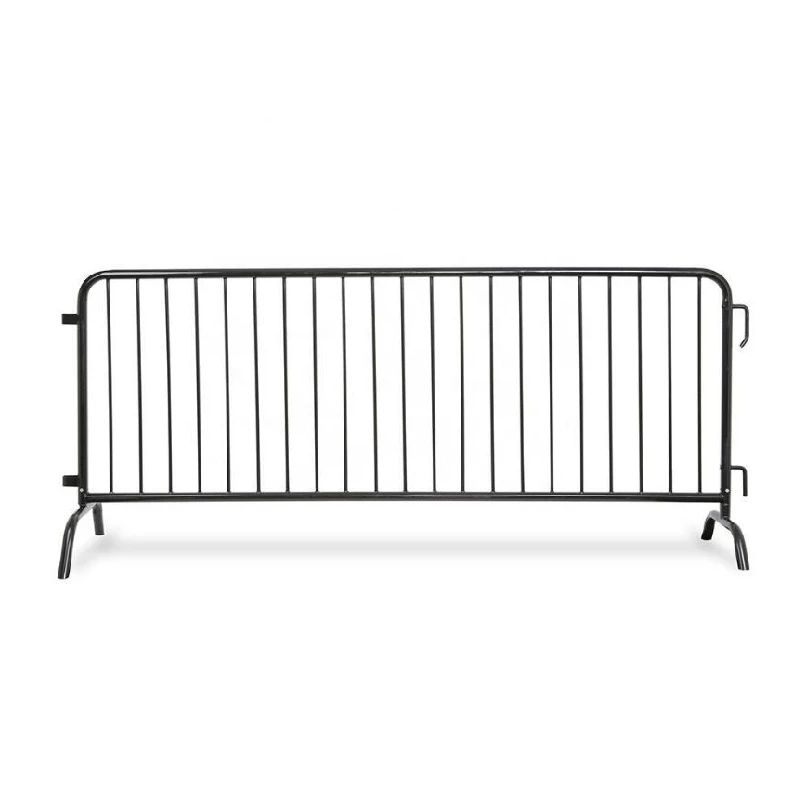
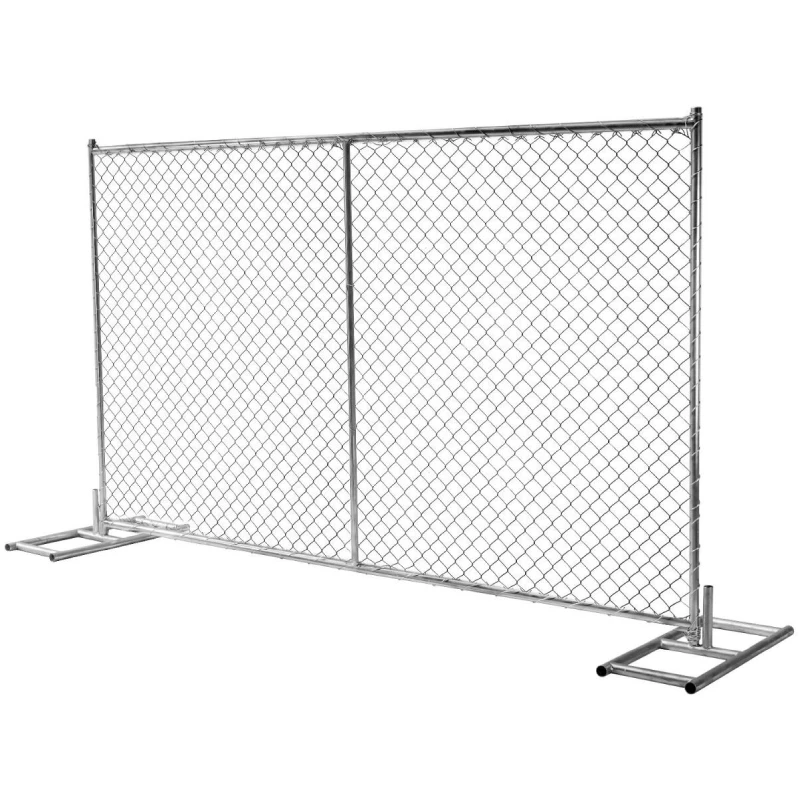
In simple terms, construction panel fencing refers to pre-fabricated panels — typically metal frames combined with welded wire mesh or solid barriers — designed for quick installation around construction sites or restricted zones. Unlike permanent fencing, they are modular, reusable, and easy to transport.
Think of them as the “temporary guardians” of modern industrial and humanitarian landscapes. By creating secure boundaries, they prevent unauthorized access, reduce theft and injury risks, and maintain orderly site conditions. In humanitarian contexts, they define living spaces and provide privacy, crucial to dignity and safety in refugee camps or temporary settlements.
Mini takeaway:
- Construction panel fencing is modular, transportable, and built for durability.
- It serves as a temporary, but sturdy line of defense in diverse contexts.
Core Components That Define Effectiveness
Durability & Material Strength
The backbone of construction panel fencing is its ability to withstand harsh environmental conditions — from high winds to rain and dust. Manufacturers often use galvanized steel or high-tensile wire mesh to enhance rust resistance and extend service life, even after multiple uses. I’ve noticed many engineers favor powder-coated finishes for extra weatherproofing and aesthetic appeal.
Scalability & Modularity
Because no two sites are alike, fencing systems must scale easily. Modular panels, often in standard 2m x 2.4m sizes, snap or screw together to quickly form long or complex perimeters. This adaptability saves time and labor costs, which frankly can sneak up if the system demands cutting or custom fitting on-site.
Cost Efficiency
Not all fencing panels are created equal, and cost per square meter can vary considerably. Yet opting for panels that balance initial price with reusability and maintenance needs tends to pay off in the long run. Particularly if a company handles multiple projects per year, investing upfront in quality panels can be smarter than scrimping and risking damage or failure.
Security & Safety Features
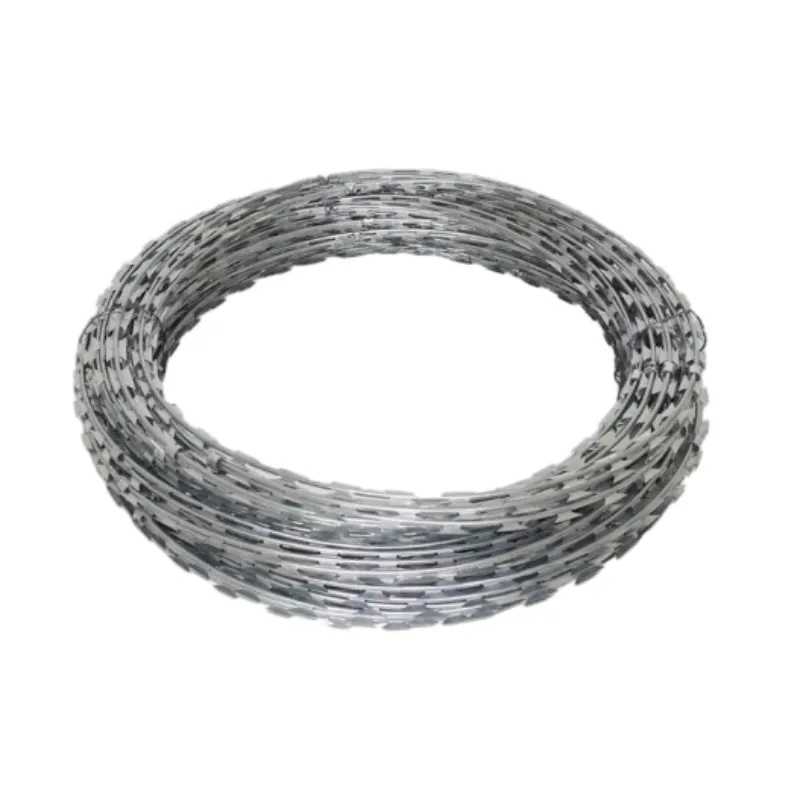
Panels are often designed with anti-climb mesh profiles, reinforced fixings, and provisions for additional security measures like razor wire or cameras. This combination protects not only physical assets but also the personnel working within the fenced areas — a factor sometimes overlooked until a breach occurs.
Ease of Installation and Transportation
The beauty of construction panel fencing lies in its simplicity. Lightweight frames fit into standardized pallets or containers, which can be shipped globally or regionally without excessive logistics hassle. Installation crews can erect or dismantle several hundred meters in a day with basic tools, minimizing downtime on tight project schedules.
Mini takeaway:
- Strength and corrosion resistance shape longevity.
- Modular construction makes fencing versatile.
- Cost and ease of use influence procurement choices heavily.
How Construction Panel Fencing Is Applied Around the Globe
The uses are as broad as the environments they appear in. For instance:
- Urban Development Sites: Keeping pedestrians safe from hazards and maintaining compliance with local regulations.
- Post-Disaster Relief: Rapidly creating secure zones for shelter and logistics hubs, as seen after the 2010 Haiti earthquake.
- Industrial Zones & Mining: Setting boundaries in remote locations where traditional fencing isn’t practical.
- Events and Temporary Installations: Crowd control and secure access during festivals, fairs, or political summits.
Notably, NGOs and military operations rely on panel fencing not only for security but for establishing order quickly, often under severe time constraints and limited resources. Each of these use cases highlights different priorities — security, speed, visibility, cost — but rely on the same fundamental fencing principles.
Product Specifications at a Glance
| Feature | Typical Specification | Practical Benefit |
|---|---|---|
| Panel Size | 2.0m (W) x 2.4m (H) | Easy handling and scalable fencing length |
| Material | Galvanized Steel with Powder Coating | Corrosion resistance and prolonged lifespan |
| Mesh Size | 50mm x 50mm welded wire | Visibility with security, deters climbing |
| Weight per Panel | ~25kg | Manageable for manual installation teams |
| Installation Time | Under 5 minutes per panel | Minimizes job site downtime |
Vendor Comparison: Finding the Right Partner
| Feature / Vendor | DQ Fence | SafeSite Panels | QuickSet Fencing |
|---|---|---|---|
| Customization Options | High | Medium | Low |
| Lead Time (Typical) | 2 weeks | 3-4 weeks | 1 week |
| Average Panel Weight | 25 kg | 28 kg | 22 kg |
| Warranty Period | 5 Years | 3 Years | 2 Years |
| Sustainability Cert. | ISO 14001 | None | None |
Advantages & Long-Term Value: More Than Just Barriers
Beyond the physical, construction panel fencing offers stakeholders peace of mind — an often underrated but crucial benefit. Safety on-site means less downtime, fewer accidents, and better worker morale. From an economic perspective, the long-term reusability reduces costs over repeated projects.
Socially, in sensitive zones like refugee camps or urban redevelopment areas, fencing supports dignity by providing privacy and a clear boundary that helps maintain order without creating a fortress-like atmosphere. Innovation in panel design often means ergonomic handling and integration with CCTV or anti-intrusion tech.
Emerging Trends & Future Innovations
Looking ahead, sustainability is reshaping the panel fencing landscape. Materials incorporating recycled steel or composite plastics are gaining traction, supported by ISO 9001 and 14001 certifications emphasizing environmental responsibility.
Digitally, integrating IoT sensors into panels for real-time breach detection or environmental monitoring is no longer sci-fi — some vendors already offer smart fencing kits. Automation in deployment, with robotic installers on large sites, is also being prototyped in industrial sectors, aiming to cut labor costs and injury risks.
Challenges & How the Industry Is Overcoming Them
Installation can sometimes be tricky on irregular terrain or in wet conditions, where panel stability is compromised. Experts recommend adjustable feet and ballast solutions in those cases. A lingering issue is theft or vandalism of panels themselves, which calls for innovations in locking mechanisms and surveillance integration.
Meanwhile, transport logistics still play a role in costs, especially to remote regions. Industry groups encourage using modular dimensions compatible with common shipping containers, standardizing sizes globally — which feels like a small but important step toward smoother international humanitarian aid.
FAQs: Practical Answers on Construction Panel Fencing
Q1: How quickly can construction panel fencing be installed on site?
A1: Typically, a trained crew can install a panel in under 5 minutes, depending on terrain and system design. This speed minimizes construction downtime and improves project flow.
Q2: Are construction panels reusable, and how durable are they?
A2: Yes, most panels are designed to be reused several times. With proper maintenance and weather-resistant coatings, panels can last 5 years or more under normal conditions.
Q3: Can panel fencing be customized for specific security needs?
A3: Absolutely. Panels can include anti-climb mesh, higher heights, reinforced frames, or integrations for razor wire and surveillance equipment.
Q4: What makes construction panel fencing preferable over traditional fencing methods?
A4: Its modularity and portability allow for rapid deployment, flexibility to reconfigure, and reduced installation costs. This contrasts with permanent fencing, which requires foundation work and longer lead times.
Q5: Is construction panel fencing eco-friendly?
A5: Increasingly so. Manufacturers are adopting recycled materials and green coatings. Additionally, reusability reduces waste compared to single-use or disposable fencing solutions.
Wrapping It Up: A Boundary, A Backbone
Construction panel fencing is far more than a physical boundary; it embodies safety, efficiency, and adaptability in worlds both industrial and humanitarian. For anyone engaged in building infrastructure, managing events, or supporting relief efforts, understanding and choosing the right fencing solution pays off in practical, economic, and social dividends.
Ready to explore the best in construction panel fencing? Check out construction panel fencing solutions tailored for your needs.
References:
-
Australian Temporary Fence Panel-Hebei Dunqiang Hardware Mesh Co., Ltd.|Durable&Cost-Effective
NewsMar.02,2026
-
Australian Temporary Fence Panel-Hebei Dunqiang Hardware Mesh Co., Ltd.|Durable&Cost-Effective
NewsMar.02,2026
-
Australian Temporary Fence Panel-Hebei Dunqiang Hardware Mesh Co., Ltd.|Durable&Cost-Effective
NewsMar.02,2026
-
Comprehensive Guide to Durable Free Standing Livestock Panels and Their Uses
NewsFeb.24,2026
-
Choosing the Right Corral Gate for Livestock Management and Farm Security
NewsFeb.11,2026
-
Find High Quality Pipe Corral Panels for Sale and Enhance Livestock Handling
NewsJan.30,2026