Nov . 26, 2025 10:50 Back to list
Comprehensive Guide to Fencing and Hoarding in Construction – Safety, Sustainability & Innovation
Understanding Fencing and Hoarding in Construction: Why It Matters Worldwide
Fencing and hoarding in construction might sound like mere barriers or temporary walls, but their impact ripples far beyond safety lines or site boundaries. Put simply, they’re the unsung guardians of construction zones—the first line of defence for safety, security, and often the community’s peace of mind. Globally, as urban infrastructure presses ahead and construction projects multiply, understanding these physical boundaries brings multiple benefits: minimizing accidents, controlling access, managing dust and debris, and, oddly enough, even influencing public perception.
Think about it — every bustling construction site you pass by is wrapped in some form of fencing or hoarding. It’s not just about keeping people out but about managing an inevitable disruption in a considerate, controlled way.
Mini takeaway: Fencing and hoarding aren’t just physical barriers; they’re vital tools that balance progress with protection, impacting on safety, environment, and social factors across the world.
Global Context: The Growing Need for Effective Site Enclosures
The scale of global construction is staggering. According to the United Nations, over 55 percent of the world’s population now lives in urban areas, expected to rise to nearly 69 percent by 2050.1 That means more buildings, roads, and infrastructure sprouting up — and inevitably, more construction sites spilling into cities and remote areas alike.
With billions invested annually in infrastructure alone (World Bank estimates run into trillions), managing construction risks becomes critical. Injuries due to site hazards are still a major concern worldwide. The Occupational Safety and Health Administration (OSHA) in the U.S. estimates that fencing and hoarding reduce unauthorized access by at least 50 percent, cutting down accidents significantly.
Yet, challenges persist in providing scalable, adaptable, cost-effective site enclosures that suit urban, rural, and remote conditions without compromising speed and durability.
Mini takeaway: As construction grows globally, fencing and hoarding face increasing demands to be stronger, smarter, and more versatile, answering safety and environmental challenges.
What Are Fencing and Hoarding in Construction?
So, what exactly do we mean by fencing and hoarding in construction? In practical terms, fencing and hoarding in construction refers to physical barriers erected around construction sites to:
- Secure the perimeter, protecting workers and public
- Reduce noise, dust, and debris blowing into neighboring areas
- Display project information or advertisements
- Address zoning and safety regulations
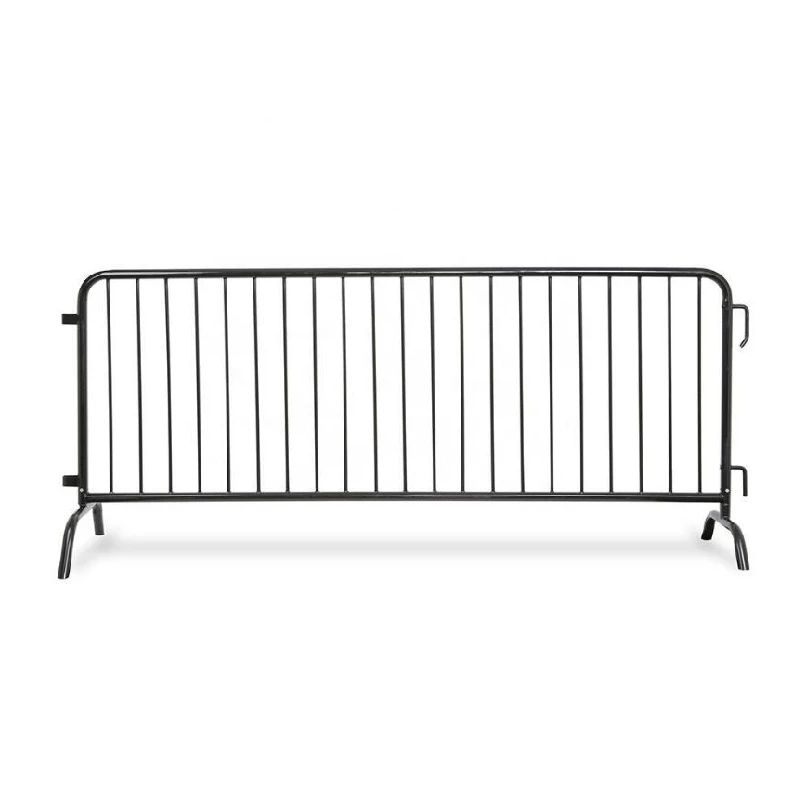
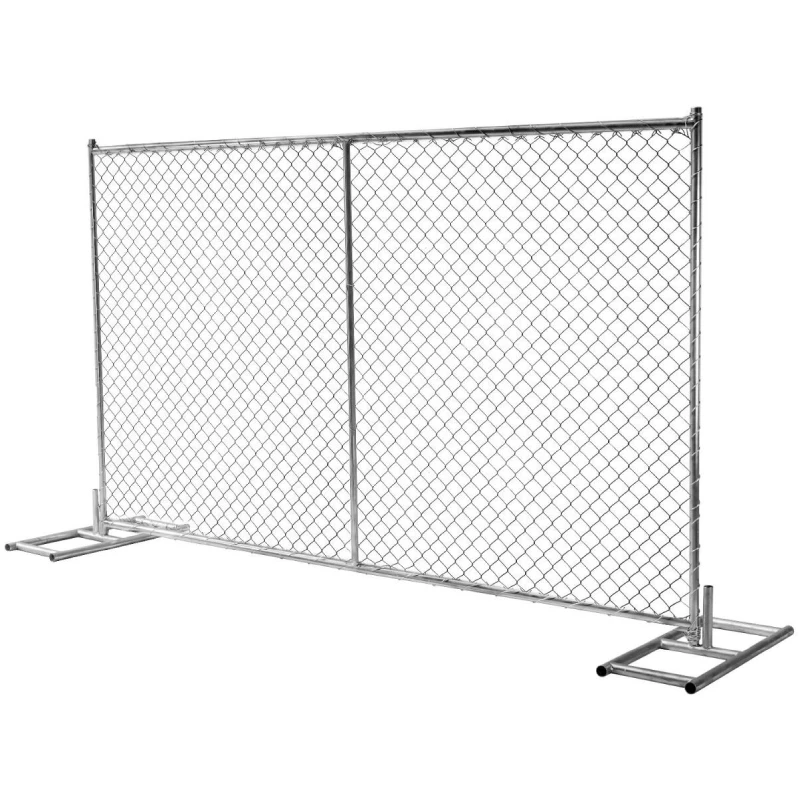
They can be temporary chain-link fences, wooden panels, metal hoardings, or even advanced modular systems with electronic monitoring. Modern industrial applications increasingly require robust and adaptable systems that meet safety, environmental, and aesthetic demands.
In humanitarian settings — especially post-disaster or conflict zones — fencing and hoarding also serve to protect vulnerable populations, directing movement and enhancing security.
Mini takeaway: Fencing and hoarding are more than just “the construction fence.” They are purpose-built enclosures essential for safety, community protection, and even social order during construction or emergencies.
Key Components of Effective Fencing and Hoarding Solutions
Durability
Construction sites can be rough: wind, rain, dust, even vandalism. The materials—commonly galvanized steel, reinforced plywood, or composite panels—must resist weathering and impacts. Durability means fewer replacements, lower costs, and continuing protection over the project’s lifespan.
Scalability and Customization
Every site is different. A small urban refurbishment demands a compact, portable solution; a sprawling industrial site may need long-lasting, heavy-duty panels and gates. Modern fencing often features modular designs for quick assembly and tailored configurations.
Cost Efficiency
Though fencing and hoarding may seem like minor budget line items, the right choices profoundly affect overall project expenses by reducing theft, delays, and third-party claims.
Safety and Compliance
Aligning with local regulations—such as OSHA in the U.S. or ISO safety standards globally—is mandatory. Barriers must block access, allow safe egress, and sometimes incorporate signage, lighting, or even surveillance.
Environmental & Social Impact
Using recyclable materials, noise-dampening designs, and clean visuals can mitigate negative neighborhood effects, preserving goodwill and reducing permit complications.
Mini takeaway: The best fencing and hoarding solutions combine durable, flexible, compliant designs that respect budgets and communities alike.
Real-World Applications of Fencing and Hoarding Globally
Fencing and hoarding use spans across many sectors and geographies. For instance:
- Urban construction: High-density cities in Europe and Asia require aesthetic hoardings with graphic wraps to mask unsightly worksites and share project info, sometimes even including interactive digital screens.
- Remote industrial operations: Mining or oilfields in Australia or Africa utilize heavy-duty fencing to deter wildlife interference and secure huge perimeters.
- Post-disaster relief: NGOs and UN agencies erect quick-deploy fencing around temporary camps, both for security and to define areas for health and sanitation.
- Events and public works: Temporary hoardings control crowds and protect infrastructure during festivals or sports events worldwide.
Each use case demands different materials, installation methods, and maintenance plans.
Mini takeaway: From urban skyscraper builds to remote refugee camps, fencing and hoarding facilitate construction, security, and community protection globally.
Advantages and Long-Term Value of High-Quality Site Enclosures
- Cost savings: Preventing site theft and vandalism saves thousands, while reducing accidents lowers insurance claims and downtime.
- Safety: Barriers protect workers, visitors, and passersby, making sites compliant and helping save lives.
- Community trust: Well-maintained fencing with clear messaging can turn a nuisance into a neighborhood asset—sometimes even sparking public curiosity and pride.
- Sustainability: Reusable panels and recyclable materials support green building goals.
- Flexibility: Modular systems adapt to changing site sizes and timelines, future-proofing investments.
I'd say that beyond practical benefits, good fencing and hoarding create trust — the silent signal that “this site is managed, safe, and considerate.”
Product Specification Table: Typical Construction Site Hoarding Panel
| Feature | Specification |
|---|---|
| Material | Galvanized steel frame, plywood or composite panel covering |
| Dimensions | 2.4 m height x 2.4 m width per panel (standard) |
| Weight | Approx. 30–40 kg per panel |
| Assembly type | Bolt-together modular frame system |
| Finish | Powder-coat paint or laminated surface |
| Accessories | Locking gates, signage clips, mesh panels optional |
Vendor Comparison: Selecting a Fencing and Hoarding Provider
| Vendor | Product Range | Customization | Lead Time | Price Level |
|---|---|---|---|---|
| DQ Fence | Standard & modular fencing, custom branded hoardings | High (graphics, sizes, accessories) | 2-3 weeks | Mid-range |
| SecureSite Solutions | Heavy-duty steel panels, perimeter systems | Medium | 4-6 weeks | High |
| GreenBuild Barriers | Eco-friendly, recycled material fencing | Low | 3-4 weeks | Mid to High |
Looking Ahead: Innovation and Sustainability in Construction Site Barriers
Construction fencing is evolving faster than many realize. Smart fencing with embedded sensors and cameras offers real-time breach alerts. Materials infused with recycled plastics or biodegradable composites reduce environmental footprints—a huge leap when weighed across millions of sites worldwide.
Furthermore, digital design software allows rapid prototyping and resizing of hoarding systems that blend safety with aesthetics, engaging local communities rather than isolating them. Some companies experiment with solar-powered LED illumination panels, enhancing night safety while doubling as advertising space.
It’s a certain mix of old-school practicality and cutting-edge tech driving future improvements.
Challenges and Smarter Solutions
Of course, it's not all smooth sailing. Cost pressures often force compromises on durability or safety. Logistics in remote or politically unstable locations complicate efficient delivery and installation. Regulations vary wildly and sometimes conflict, causing delays or redesigns.
What’s the fix? Industry experts suggest:
- Standardizing modular designs for faster global deployment
- Investing in supply chain resilience with local sourcing
- Adopting international safety certifications for smoother compliance
- Training onsite crews for correct installation and maintenance
The industry feels like it’s just scratching the surface of its potential. Like most things, attention to detail here prevents major headaches later.
FAQs About Fencing and Hoarding in Construction
Q1: How quickly can fencing and hoarding be installed on a site?
Installation varies with system complexity but modular fencing can often be up and running within 1–3 days on a medium site, making it practical even for short-term projects.
Q2: Are modular hoarding panels reusable between projects?
Yes, high-quality modular panels are designed for multiple uses. This reduces waste and brings down lifecycle costs compared to disposable timber boards.
Q3: Can fencing designs accommodate local weather extremes?
Absolutely. Material selection and anchoring methods adapt to everything from heavy snow to high winds, with options like wind-permeable mesh panels reducing pressure on the barrier.
Q4: What role do hoardings play beyond safety?
Hoardings often become canvases for community messages, project timelines, and artist murals — softening the impact of disruption and enhancing local engagement.
Q5: How can international NGOs source fencing for temporary camps?
Many providers offer quick ship modular systems tailored for rapid deployment and compliance with humanitarian standards. NGOs can coordinate with suppliers offering global logistics support.
Final Thoughts: Why Investing in Quality Fencing and Hoarding Pays Off
Ultimately, fencing and hoarding in construction are not merely practical necessities. They reflect how we manage risk, respect surrounding communities, and steward investments. With smarter design, greater sustainability, and technological integrations on the rise, they are quietly redefining site safety standards worldwide.
Curious to explore high-quality, customizable fencing solutions? Visit our site for more information about fencing and hoarding in construction and how it can transform your project’s safety and appearance.
References
- United Nations, World Urbanization Prospects: The 2018 Revision. population.un.org/wup
- Occupational Safety and Health Administration (OSHA), Construction Industry Safety Reports, 2022. osha.gov/construction
- ISO 45001 Occupational Health and Safety Management Systems Standard, 2018. iso.org/iso-45001-occupational-health-and-safety.html
-
Australian Temporary Fence Panel-Hebei Dunqiang Hardware Mesh Co., Ltd.|Durable&Cost-Effective
NewsMar.02,2026
-
Australian Temporary Fence Panel-Hebei Dunqiang Hardware Mesh Co., Ltd.|Durable&Cost-Effective
NewsMar.02,2026
-
Australian Temporary Fence Panel-Hebei Dunqiang Hardware Mesh Co., Ltd.|Durable&Cost-Effective
NewsMar.02,2026
-
Comprehensive Guide to Durable Free Standing Livestock Panels and Their Uses
NewsFeb.24,2026
-
Choosing the Right Corral Gate for Livestock Management and Farm Security
NewsFeb.11,2026
-
Find High Quality Pipe Corral Panels for Sale and Enhance Livestock Handling
NewsJan.30,2026