Nov . 26, 2025 01:30 Back to list
Comprehensive Guide to Fence Construction Site: Trends, Materials & Innovations
The Practical World of a Fence Construction Site: Why It Matters More Than You Think
Fence construction sites may not win a popularity contest among urban planners or architects, but their strategic importance across industries and humanitarian efforts is undeniable. When you think about it, a simple fence — seemingly mundane — plays a massive role in safety, security, land demarcation, and compliance with regulations worldwide. From a sprawling industrial park in Germany to a refugee camp in Jordan, understanding how fence construction sites operate, and the technologies behind them, can illuminate big trends in infrastructure development and community management.
Put simply, knowing the ins and outs of fence construction sites means appreciating a crucial piece of infrastructure that affects everything from property value to regional geopolitics. Plus, there’s an innovation story happening quietly behind the scenes.
Global Context: Why the Fence Construction Site Is a World Player
According to the United Nations Office for Disaster Risk Reduction (UNDRR), the demand for secure, quickly deployable fencing solutions has grown by roughly 40% in the last decade, especially in regions facing conflict or large scale industrial expansion (1). Think about that: a fence isn’t just wood or steel — it’s an essential boundary that can prevent accidents, deter trespassing, and provide safe zones. Fence construction site operations today are a response to real-world challenges, such as urban sprawl and refugee resettlements, affecting millions globally.
Yet, the main challenges—like cost control, environmental impact, and adaptability to different terrains—highlight why we need to rethink how fences are designed and built in the 21st century.
What Exactly Is a Fence Construction Site?
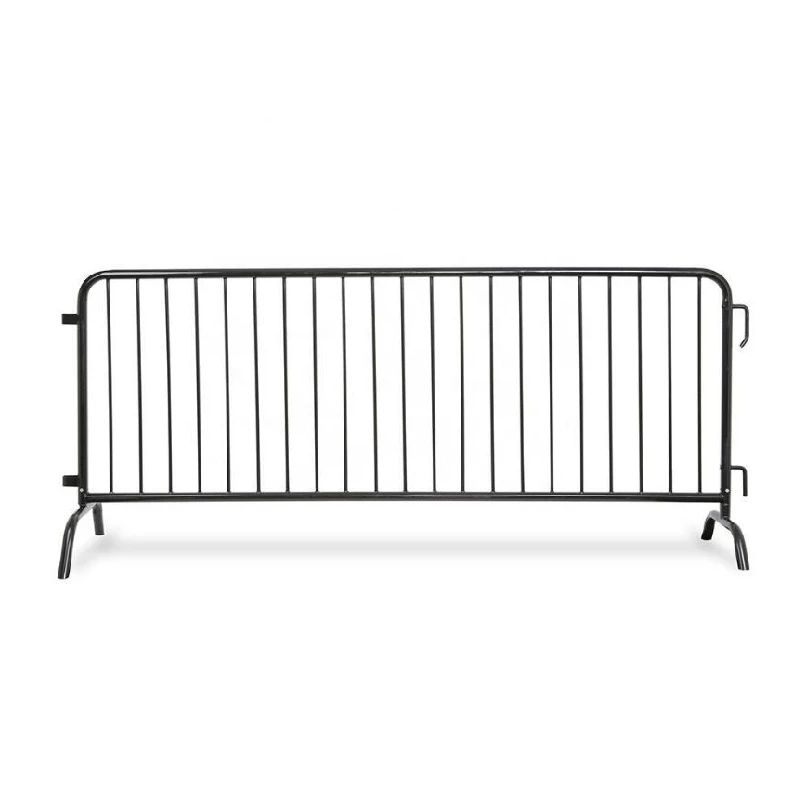
At its core, a fence construction site is any location where fencing systems are being designed, fabricated, and installed either temporarily or permanently. These sites can range from a small backyard perimeter to multi-kilometer barriers shielding power plants or border areas.
The modern industry connects fence construction sites to larger infrastructure projects—such as highway systems or secure industrial zones—and humanitarian needs, like protecting displaced communities. It’s a blend of engineering, logistics, and materials science.
Durability – The Backbone of Effective Fencing
Durability is the number-one priority when evaluating fence construction on-site. Materials must endure weather extremes, chemical exposure, and physical stress. Steel meshes with anti-corrosion coatings or polymer composites are popular choices for longevity.
Scalability – From Small Tasks to Mega Projects
The scalability factor covers how well fencing solutions adapt from a small residential construction site to sprawling industrial or agricultural areas. Modular fencing designs allow for quick deployment and expansion without disrupting the site’s workflow.
Cost Efficiency
Cost remains king. The right fence construction site approach balances material expenses, labor costs, and ongoing maintenance. Innovations in prefabricated panels and reusable components help keep budgets reasonable without sacrificing quality.
Safety & Compliance
Safety standards vary globally, but at every fence construction site, compliance with local regulations is critical. That can mean anything from ensuring the height and visibility are up to code to using anti-climb fencing in urban zones.
Environmental Impact
Oddly enough, the environmental footprint of fencing materials and site practices is gaining more attention. Sustainable sourcing, the use of recyclable materials, and minimizing soil disruption during installation are all key points.
Innovation & Technology Integration
Digital tools like drone surveys and automated installation equipment are improving precision and reducing labor on many fence construction sites. Solar-powered perimeter lighting and integrated surveillance also mark the trend for smarter fences.
Mini Takeaway:
- Fence construction sites are complex operations requiring layered considerations from material choice to legal compliance.
- Modern challenges demand more innovative, sustainable, and scalable fencing solutions.
Global Applications & Real-World Examples
In remote mining operations in Australia, fence construction sites ensure vast land zones are secured to prevent accidents and safeguard wildlife corridors. Meanwhile, in Eastern Europe, temporary fencing supports construction zones near historic sites — balancing access control without harming archaeological integrity.
In post-disaster relief settings — say, after a typhoon strikes the Philippines — NGOs use quick-deploy fencing systems to create safe zones and organize camps efficiently.
Various industries, including logistics hubs, secure data centers, and agricultural operations worldwide, benefit daily. And don't forget border security projects, where fencing marks sovereignty boundaries.
Product Specification Table: Typical Fence Construction Materials
| Material | Durability (Years) | Typical Use | Approximate Cost ($/m) | Environmental Impact |
|---|---|---|---|---|
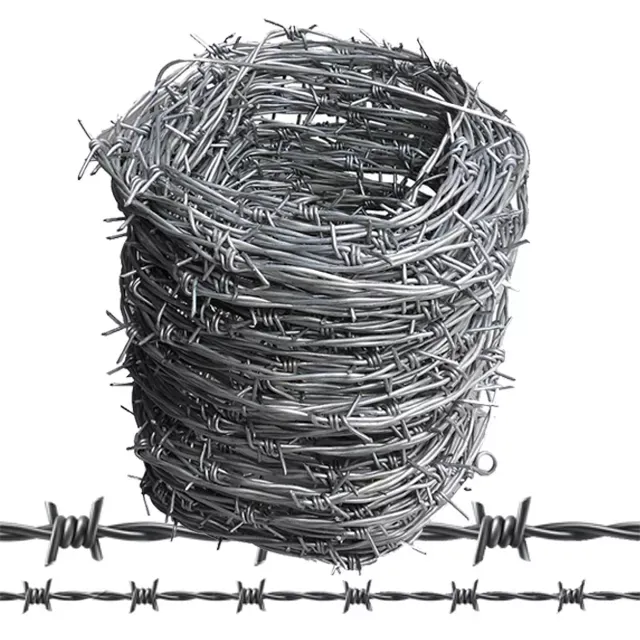
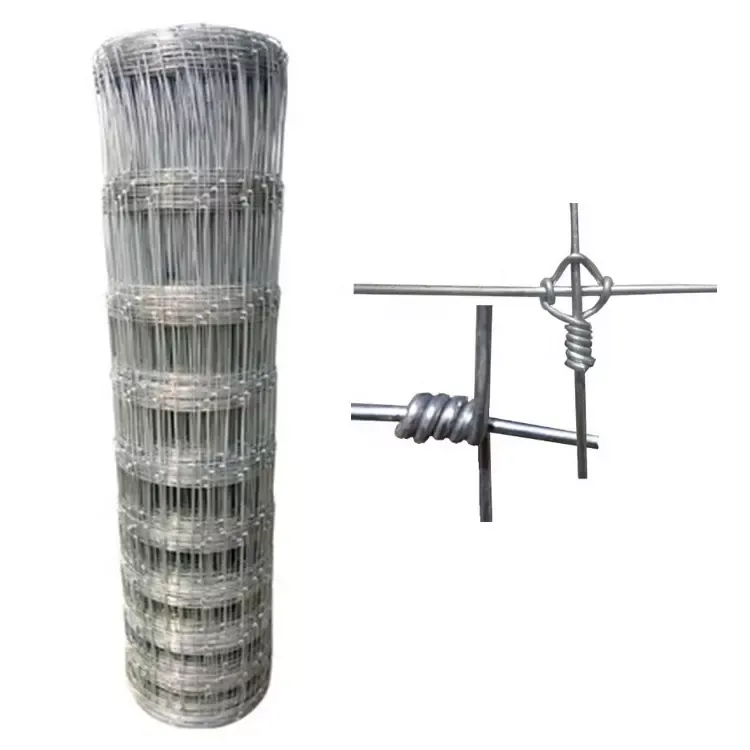
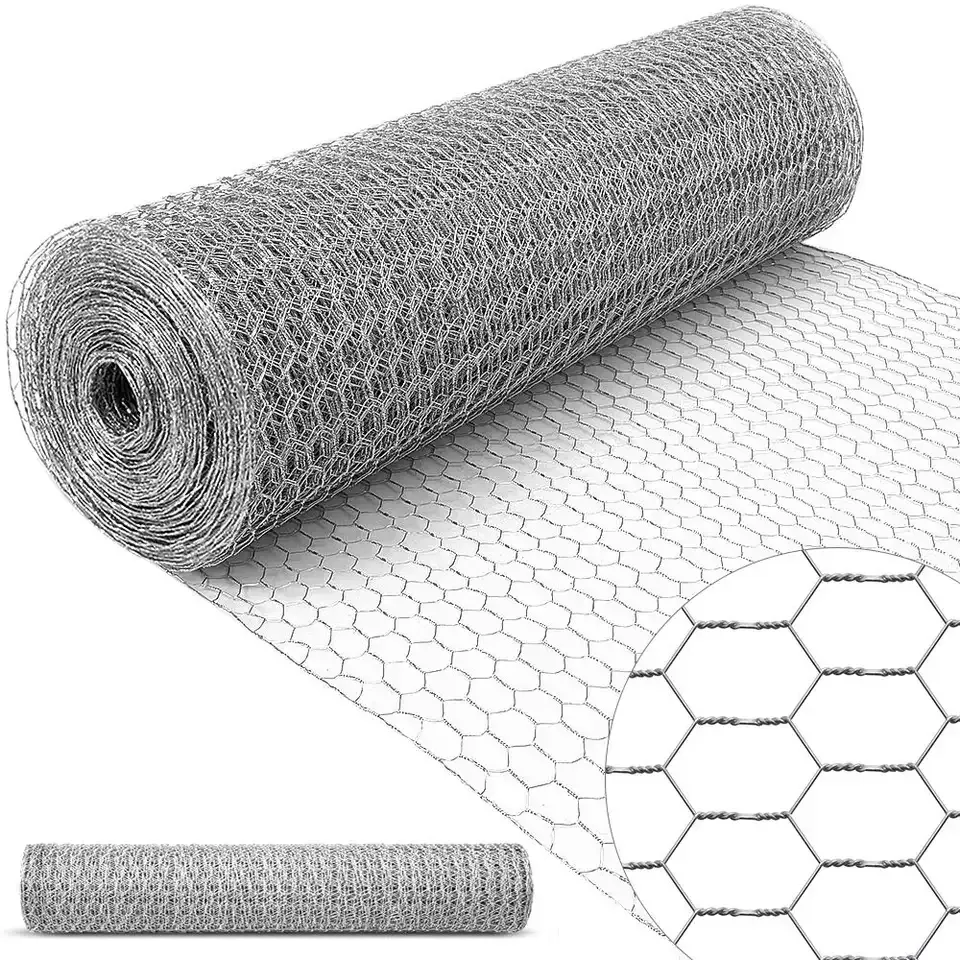
| Galvanized Steel Mesh | 20-30 | Industrial, Security | 50-100 | Medium (Recyclable) |
| Wooden Panels | 7-15 | Residential, Agricultural | 20-60 | High (Deforestation Risks) |
| PVC/Vinyl | 15-25 | Residential, Commercial | 40-80 | Low (Non-Biodegradable) |
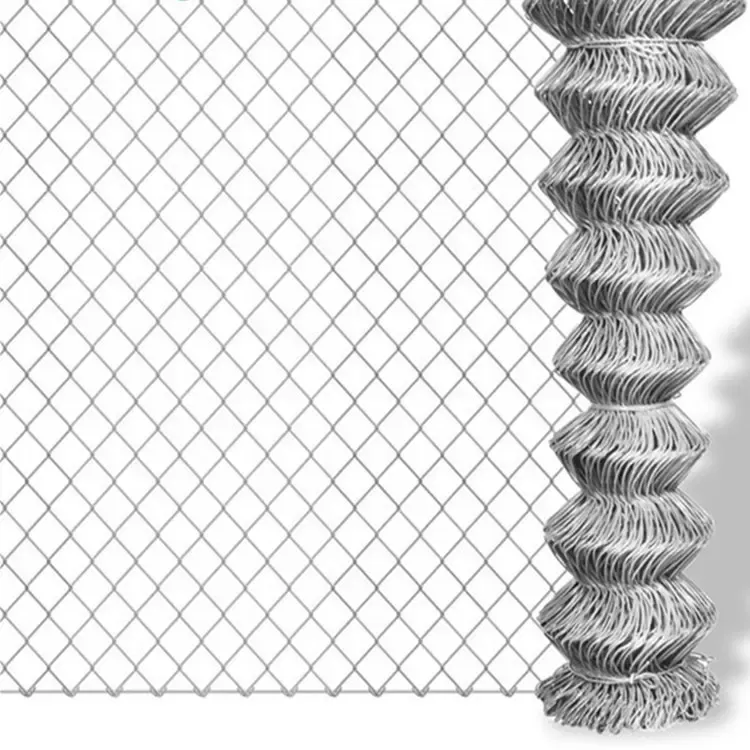
| Chain Link | 25-35 | Security, Temporary | 30-70 | Medium (Recyclable) |
Advantages & Long-Term Value of Investing in Quality Fence Construction
Investing time and resources in a reliable fence construction site setup offers tangible benefits that extend far beyond the initial installation. Cost-wise, high-quality materials with longer lifespans reduce maintenance expenses, so companies aren’t chasing replacements every few years. On the sustainability front, selecting recyclable or sustainably sourced materials reflects a growing corporate responsibility trend that customers and governments alike appreciate.
Emotionally, fences provide safety, privacy, and dignity to homeowners, industrial workers, and displaced families alike. Logically, they reduce liability and reinforce trust between property owners and the surrounding community — it’s not just about walls; it’s about boundaries that people respect and rely on.
Vendor Comparison Table: Fence Construction Providers Overview
| Vendor | Product Variety | Installation Speed | Price Range ($/m) | Sustainability Practices |
|---|---|---|---|---|
| FenceMaster Pro | High (Steel, Composite, PVC) | Fast (2 days/km) | 45 - 90 | ISO 14001 Certified |
| EcoFence Solutions | Medium (Recycled Materials) | Moderate (3 days/km) | 35 - 80 | Focus on Circular Economy |
| QuickFence International | Low (Mostly Chain Link) | Very Fast (1 day/km) | 25 - 50 | Basic Recycling |
Future Trends & Innovations in Fence Construction
Looking ahead, the fence construction site is becoming a showground for some cool tech advances. Green energy integration — like solar-powered fence lighting — is gaining a foothold. Automation tools reduce human error and speed up deployment, while eco-friendly composite materials challenge the steel-and-wood norm. Even digital monitoring tech is being embedded straight into fencing to provide real-time security data.
Regulatory push towards sustainability and circular economies will likely shape what kinds of fences get built in the next decade. Given trends, fences may soon be nearly invisible to the naked eye but packed with smart sensors.
Challenges & Solutions in Today’s Fence Construction Sites
No site is perfect. Often, terrains are unpredictable, workers are under pressure to meet tight deadlines, and budgets can be tight. A common bottleneck? Matching material specs exactly to environmental conditions. For example, cheap mass-produced fencing can corrode quickly in salty coastal air.
Experts suggest adopting thorough site surveys before ordering materials, using modular components to adapt on the fly, and training crews rigorously. Many innovators also propose increased use of drones for aerial site scans to identify terrain problems early and optimize layouts.
Frequently Asked Questions About Fence Construction Site
Q: How quickly can a temporary fence be installed on a construction site?
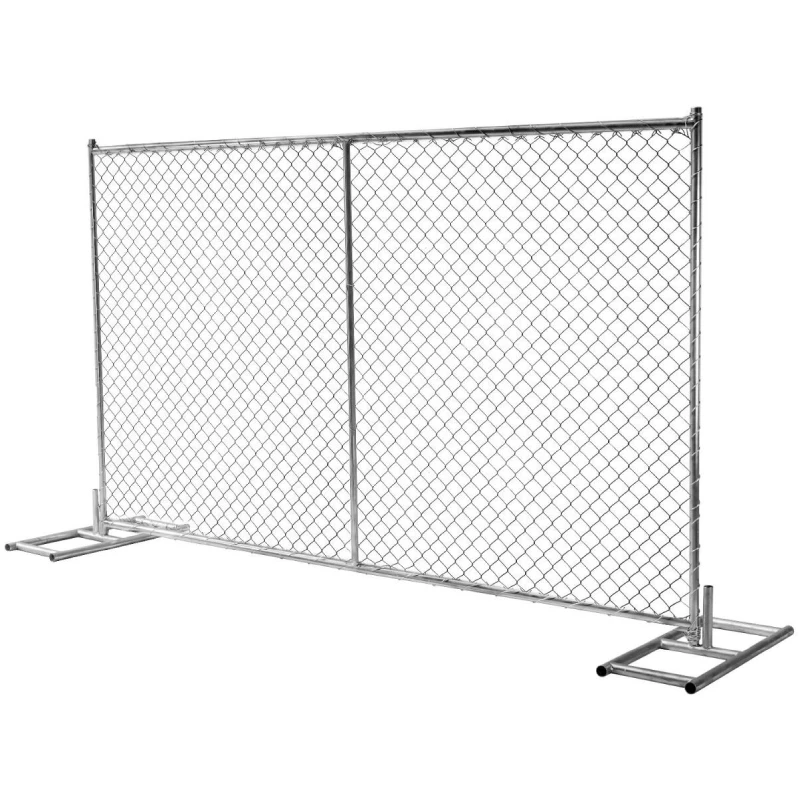
A: Depending on site size and terrain, temporary fences — often chain link or panel systems — can be deployed within 24 to 72 hours. Prefabricated modular panels speed up installation, which is ideal for projects needing rapid setup without compromising safety.
Q: What are the best materials for fencing in coastal regions?
A: Galvanized steel with additional anti-corrosion coatings is typically recommended. Some manufacturers also use powder-coating or stainless steel to resist salty air. Avoiding untreated wood or cheap metals is crucial to reduce maintenance headaches.
Q: Can fence construction sites incorporate sustainable practices?
A: Absolutely. Using recycled or recyclable materials, minimizing soil disruption during installation, and selecting suppliers with certified environmental management systems all help improve sustainability performance.
Q: Are there regulations governing fence heights and materials on commercial sites?
A: Yes, regulations vary widely by country and even local municipality. Common requirements include minimum heights, anti-climb features, and visibility parameters. Always consult local building codes and standards before installation.
Q: How to ensure fence construction sites are compliant with safety standards?
A: Regular inspections, staff training, and adherence to international standards like ISO 14122-3 for safe access ways around fences will keep sites compliant and workers safe.
Conclusion and Next Steps
While they might seem straightforward, fence construction sites are hubs of engineering, innovation, and practical problem-solving. The long-term benefits—from safety and cost savings to environmental responsibility—make investing in quality fencing infrastructure a smart move for any project. To explore real-world solutions and expert-supported fencing technologies, visit our comprehensive fence construction site resource hub. Your next project’s security and durability might just hinge on the fence you choose.
Mini Takeaway:
- Fence construction sites have evolved from simple boundary markers to complex, tech-integrated infrastructural elements.
- With increasing global challenges, their role in security, safety, and sustainability is only set to grow.
References:
-
Australian Temporary Fence Panel-Hebei Dunqiang Hardware Mesh Co., Ltd.|Durable&Cost-Effective
NewsMar.02,2026
-
Australian Temporary Fence Panel-Hebei Dunqiang Hardware Mesh Co., Ltd.|Durable&Cost-Effective
NewsMar.02,2026
-
Australian Temporary Fence Panel-Hebei Dunqiang Hardware Mesh Co., Ltd.|Durable&Cost-Effective
NewsMar.02,2026
-
Comprehensive Guide to Durable Free Standing Livestock Panels and Their Uses
NewsFeb.24,2026
-
Choosing the Right Corral Gate for Livestock Management and Farm Security
NewsFeb.11,2026
-
Find High Quality Pipe Corral Panels for Sale and Enhance Livestock Handling
NewsJan.30,2026