Nov . 24, 2025 10:00 Back to list
Flexible and Durable Garden Fence Temporary Solutions for Every Need
Temporary Garden Fencing: Why It Matters in Today’s World
If you're managing outdoor spaces, even just a small garden, you’ve probably felt the pinch of needing flexible barriers that don’t overstay their welcome. Garden fence temporary solutions are exactly that — movable, durable fences that protect, define, and sometimes even beautify spaces without permanent commitment. Globally, this isn’t just a backyard concern. It’s crucial for everything from quick event setups and construction zones to humanitarian aid and disaster relief. Understanding how these fences work, their benefits, and their evolving role can help industries and individuals save time, money, and stress.
Why does this matter globally? According to the United Nations, urbanization and rapid development are expected to increase the demand for flexible infrastructure by over 40% in the next decade — and temporary fences fit right into that niche. Whether it’s securing a post-disaster zone or managing a community event, these fences are unsung heroes of modern spatial management.
Mini takeaway: Temporary garden fences aren’t just for home gardeners — they play a vital role worldwide in safety, organization, and flexible land use.
Understanding Garden Fence Temporary: What Exactly Is It?
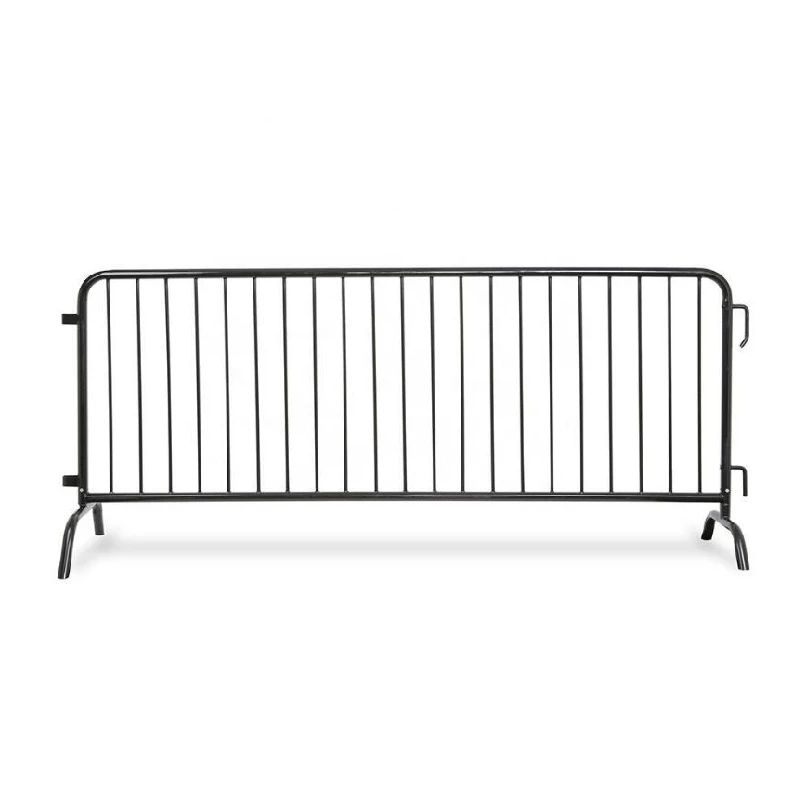
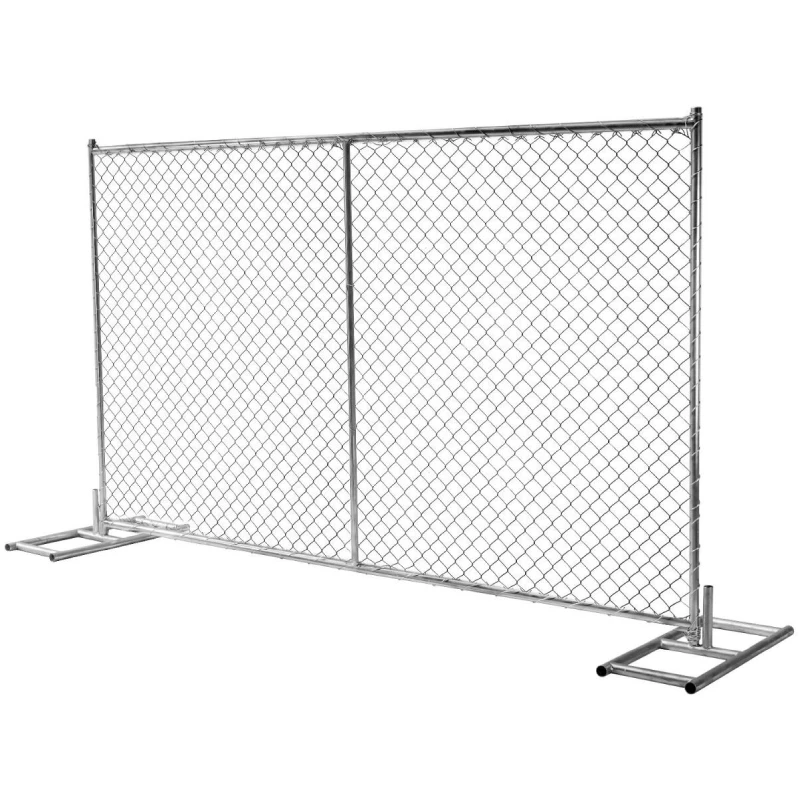
At its core, a garden fence temporary is a barrier designed to be easily installed and removed, usually without heavy equipment. It creates a physical boundary that can protect gardens, paths, or entire plots from unwanted intrusion or damage. Unlike permanent fences, these are built for short- to medium-term use, emphasizing portability and quick deployment.
In industrial and humanitarian sectors, temporary fencing has become essential. From refugee camps needing quick perimeters to construction companies marking off hazardous zones, these fences provide a simple yet effective tool to manage and control access. This ability to adapt swiftly to changing needs makes them invaluable worldwide.
Mini takeaway: Simply put, temporary garden fences are movable boundaries that serve many practical uses far beyond just the garden gate.
Core Components of Temporary Garden Fencing
1. Durability vs. Lightness
One might expect temporary means flimsy — but that’s a misconception. Modern temporary garden fences are crafted from galvanized steel or high-grade plastic polymers that resist rust and weathering. They strike a balance: sturdy enough to hold off small animals or curious visitors, yet light enough to be moved by a couple of people. This balance is key in ensuring they’re both dependable and user-friendly.
2. Scalability and Modularity
Temporary fences are usually modular: you can add or remove sections as needed. This is handy whether you’re enclosing a tiny flower bed or a sprawling construction site. Some systems come with interlocking feet, making it easy to adjust the shape — from straight lines to curves — without professional tools.
3. Cost Efficiency
Since they are reusable and quick to install, temporary fences cut down labor costs and materials waste. For companies with fluctuating site sizes, it’s more economical to lease or recycle these fences than to install permanent fencing multiple times.
4. Safety Features
Many temporary fencing solutions include visibility options like bright colors, reflective strips, or signage holders. This ensures they don’t just protect borders but also alert pedestrians or workers to hazard areas — a must in busy industrial zones or events.
5. Environmental Considerations
Interestingly, with growing sustainability awareness, many manufacturers offer temporary fences made from recycled materials or designed for easy disassembly and recycling. This green push is good news for reducing waste related to rapid developments or emergency setups.
Mini takeaway: The best temporary garden fences combine strength, flexibility, cost-effectiveness, and safety features — often with an eye toward eco-friendliness.
Real-World Uses: Where Do Temporary Garden Fences Make a Difference?
Temporary garden fences show up in more places than you might assume:
- Post-disaster relief operations: Humanitarian groups need to create secure perimeters fast to protect aid supplies or shelter zones — think typhoon-affected areas or refugee camps.
- Construction sites: In every urban center, temporary fences cordon off hazardous zones, safeguarding the public and workers alike.
- Event management global: Sporting events, festivals, and even outdoor markets rely on them for crowd control and safe walkthrough pathways.
- Community gardening projects: Many urban gardens use temporary fencing to protect plots from animals or vandalism while offering flexibility for design changes.
- Remote industrial zones: Places like mining camps or oil fields often require scalable, quick-fix boundaries for operational safety.
For example, after the 2019 cyclone season in South Asia, NGOs rapidly deployed temporary fencing to segregate flood relief storage from public spaces, preventing contamination and theft.
Mini takeaway: Temporary fences are everyday workhorses in safety and organization from local gardens to global crisis zones.
Advantages and Long-Term Value of Temporary Garden Fences
Let’s be honest — buying new fencing multiple times can sound costly and excessive. However, temporary garden fences offer remarkable value for money over time:
- Cost Savings: Reusable panels reduce repeat purchases. Labor savings add up when installation takes minutes instead of hours.
- Sustainability: Less waste, modular design, and increased lifespan support eco-conscious choices.
- Safety & Social Impact: Providing quick secure zones fosters public trust, improves worksite safety, protects property, and even supports community dignity in sensitive situations.
- Innovation & Adaptability: New materials and tech integrations (think solar-powered lights attached to fences) push boundaries.
Frankly, in times when flexibility and speed are just as important as durability, temporary garden fences feel... well, like the smart option.
Product Specifications for a Typical Temporary Garden Fence
| Feature | Specification |
|---|---|
| Panel Material | Hot-dip galvanized steel with PVC coating |
| Height | 1.2 meters (4 feet) |
| Width per Panel | 2 meters (6.6 feet) |
| Weight per Panel | ~15 kg (33 lbs) |
| Base Type | Concrete or rubber weighted feet |
| Visibility Features | Optional reflective tape and custom signage slots |
| Lifespan | 5–10 years with proper maintenance |
How the Top Vendors Stack Up
| Vendor | Durability | Customization | Price Range | Delivery Options |
|---|---|---|---|---|
| FencePro | High (galvanized steel) | Standard colors & sizes | $$ (mid-range) | Worldwide shipping |
| QuickGuard | Medium (plastic composite) | Fully customizable panels & heights | $$$ (premium) | Regional distribution centers |
| EcoFence | Medium (recycled materials) | Limited customization | $ (budget-friendly) | Select countries only |
Future Trends in Temporary Garden Fencing
It’s fascinating how technology and sustainability are intertwining here. New advances like solar-powered LED strips add night-time visibility without extra wiring. Some companies are exploring smart fences equipped with sensors that alert managers when something breaches the boundary. Then there’s the push for biodegradable fence components, which would be a boon in emergency scenarios where recovery efforts focus heavily on environmental impact.
Green certifications and recycled materials will likely become standard, not optional. It’s this crossover between usability and eco-consciousness that feels like the future of temporary garden fencing — minimal footprint, maximum flexibility.
Common Challenges and How to Overcome Them
Temporary fences aren’t flawless. Installation on uneven or soft ground can cause wobbling, sometimes panels get damaged when stacked or transported, and theft or vandalism can be a concern in high-risk areas.
Experts recommend:
- Using weighted bases or ground anchors for stability
- Regular inspections and maintenance checks
- Custom locks or tamper-resistant connectors
- Training workers in quick deployment and careful handling
Often, a small investment in preparation can save a headache or two — and possibly the fence.
Frequently Asked Questions About Garden Fence Temporary
- How long can a temporary garden fence last?
- Typically, high-quality temporary garden fences last 5 to 10 years with proper care. Materials like galvanized steel resist rust, while coatings protect against UV and weather.
- Are temporary fences easy to move and store?
- Yes! Most are designed to be lightweight and modular, allowing for easy disassembly, stacking, and storage. A couple of people can usually move a panel without special equipment.
- Can I customize the height or color of these fences?
- Many manufacturers offer customization options, from standard height adjustments to colors and branding inserts. Custom jobs may increase cost but improve visual impact.
- Are temporary garden fences suitable for wild animals?
- They can deter small to medium animals, but for larger wildlife, more robust or permanent fencing may be necessary. Temporary fences are best for urban or controlled environments.
- Where can I buy or rent temporary garden fencing?
- You can purchase or lease from specialized vendors, construction suppliers, or even garden fence temporary providers who offer flexible packages for renters and buyers alike.
Wrapping It Up: Why Temporary Garden Fencing Holds Its Ground
So, in the end, if you’re weighing options for fencing that can adapt to changing needs, garden fence temporary solutions make a lot of sense. They save time, reduce costs, and foster safety wherever boundaries are needed — be it a backyard plot or a bustling relief center. As trends roll forward, this versatile fencing is only set to become smarter, greener, and more user-friendly.
Ready to explore options that best fit your project? Visit our website for a detailed look at garden fence temporary models and solutions tailored to your needs.
References:
1. United Nations, World Urbanization Prospects (2018)
2. ISO, International Standards on Temporary Structures
3. Wikipedia, Temporary fencing
-
Australian Temporary Fence Panel-Hebei Dunqiang Hardware Mesh Co., Ltd.|Durable&Cost-Effective
NewsMar.02,2026
-
Australian Temporary Fence Panel-Hebei Dunqiang Hardware Mesh Co., Ltd.|Durable&Cost-Effective
NewsMar.02,2026
-
Australian Temporary Fence Panel-Hebei Dunqiang Hardware Mesh Co., Ltd.|Durable&Cost-Effective
NewsMar.02,2026
-
Comprehensive Guide to Durable Free Standing Livestock Panels and Their Uses
NewsFeb.24,2026
-
Choosing the Right Corral Gate for Livestock Management and Farm Security
NewsFeb.11,2026
-
Find High Quality Pipe Corral Panels for Sale and Enhance Livestock Handling
NewsJan.30,2026