Dec . 13, 2025 09:45 Back to list
Durable 5ft Cattle Fence - Best for Secure Livestock Containment
Why a 5ft Cattle Fence Remains a Trusted Choice for Farmers
Having spent over a decade in the industrial equipment sector, particularly working alongside farmers and ranchers, I can say one thing with some confidence: the 5ft cattle fence continues to serve as a practical, durable solution for livestock containment. Oddly enough, despite advances in technology and materials, the classic design still holds strong, balancing flexibility, security, and cost-effectiveness in a way that’s hard to beat.
You see, a lot of what makes a fence good isn’t just raw strength – it’s how it fits into the landscape and daily farm routine. The 5-foot height is sort of the sweet spot for cattle. It’s tall enough to discourage the jumpers but not so tall that it’s unwieldy or needlessly expensive. I've noticed that many ranchers prefer this height because it keeps curious young calves in, while still allowing easy visibility and airflow.
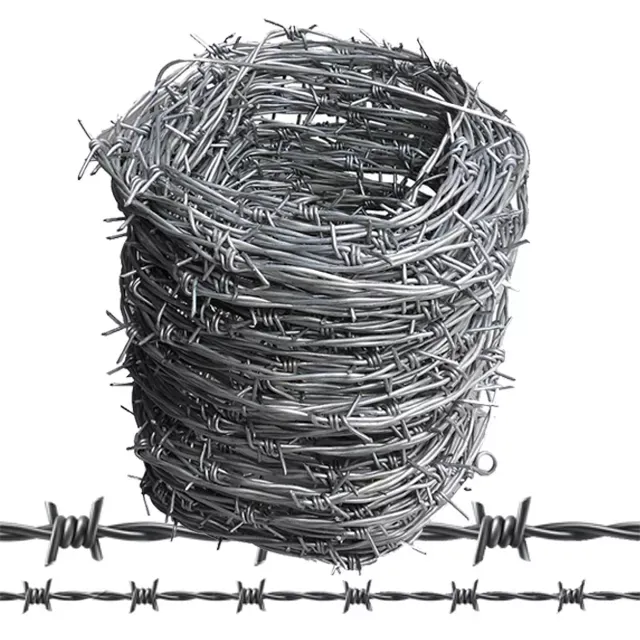
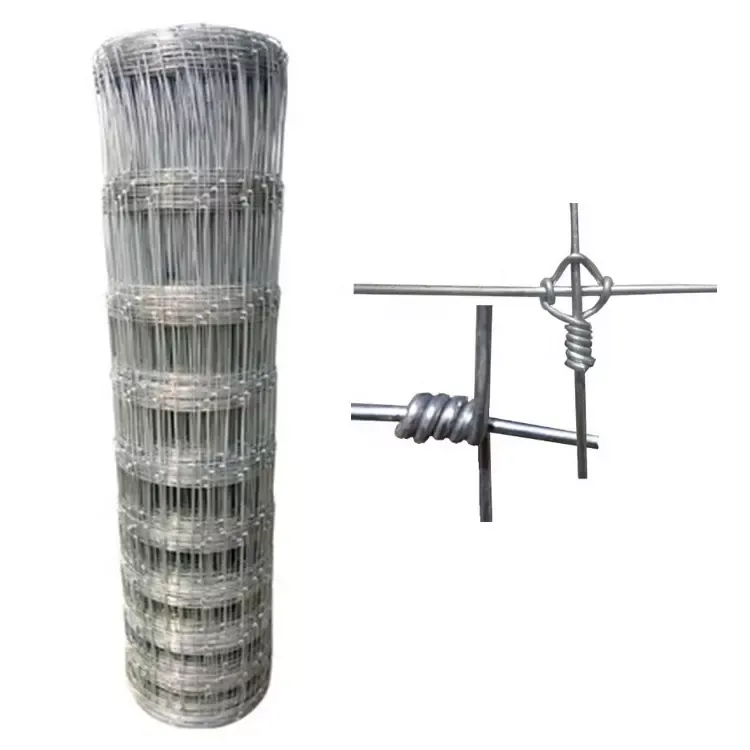
In terms of materials, these fences commonly utilize high tensile steel wire—which frankly, is a game-changer compared to older barbed wire versions. The high tensile wire is strong but has a little give, reducing breakages and the need for frequent repairs, especially in harsher weather conditions. And, of course, the fencing posts and fittings nowadays are often galvanized or powder-coated to resist rust, which is crucial in wet or humid climates.
I remember working with a cattle operation in Texas that switched their old fencing system out for a 5ft model with galvanized posts and it was a clear upgrade. Maintenance dropped sharply. Also, the installation process was surprisingly swift, partly because the modular design means fewer specialized tools and less labor time—important factors when you’re managing hundreds of acres.
Most important? The safety aspect. Cattle fencing at this height combined with smooth strands minimizes injury risks. Barbed wire might seem tougher, but it’s harsher on animal welfare, and these days, ethical practices matter more than ever across the industry.
| Feature | Detail |
|---|---|
| Height | 5 feet (60 inches) |
| Wire Type | High tensile steel wire, smooth or barbed |
| Post Material | Galvanized steel or treated wood |
| Spacing Between Posts | 8 to 12 feet |
| Number of Wire Strands | 4 to 5 strands typical |
| Coating | Hot-dip galvanized or PVC coated options |
Of course, not all suppliers are created equal. Here’s a quick comparison of a few common vendors I’ve encountered, to help clarify what you might expect from each — price, quality, and service-wise.
| Durability | Price per ft | Customization | Lead Time | Customer Support | |
|---|---|---|---|---|---|
| DQ Fence | High tensile steel, galvanized finish | $$ | Multiple wire and post options | 2-3 weeks | Excellent – industry-focused |
| FenceCo | Standard steel, powder-coated | $ | Limited options | 1-2 weeks | Good, but less specialized |
| AgriStrong | Premium high tensile with galvanized posts | $$$ | Fully customizable | 4-6 weeks | Top-notch, but slower |
If you’re weighing your options, I always suggest thinking beyond just initial cost. Durability and ease of maintenance often translate into real savings over years. Plus, a supplier that understands cattle fencing nuances makes a huge difference—trust me, it’s not just hardware; it’s a partnership.
A final word: customization is increasingly big in this sector. Depending on terrain—say, rocky hills vs. flat plains—you might need heavier posts or additional wire strands. And since every herd is different, tailor-fitted fencing solutions can prevent unexpected escapes or injuries.
In real terms, the 5ft cattle fence isn’t just a product you buy off the shelf—it’s an element of your farm’s daily rhythm and safety net. That said, I find it odd how often folks overlook the upfront planning. A quick chat with an experienced supplier can save plenty of headaches down the line.
So, if you’re headed down the path of upgrading or installing new fencing, keep these insights in mind. It’ll feel less like a chore and more like an investment in your ranch’s future.
Reflecting on years spent on farms and in warehouses, it’s clear that choosing the right fencing—especially the humble 5ft option—boils down to knowing your animals, terrain, and priorities. Equipment isn’t just metal and wire; it’s the backbone that supports the livelihood.
References:
1. USDA Agricultural Fence Handbook
2. DQ Fence Technical Specifications (2024)
3. Field interviews, Texas Ranchers Association
-
Australian Temporary Fence Panel-Hebei Dunqiang Hardware Mesh Co., Ltd.|Durable&Cost-Effective
NewsMar.02,2026
-
Australian Temporary Fence Panel-Hebei Dunqiang Hardware Mesh Co., Ltd.|Durable&Cost-Effective
NewsMar.02,2026
-
Australian Temporary Fence Panel-Hebei Dunqiang Hardware Mesh Co., Ltd.|Durable&Cost-Effective
NewsMar.02,2026
-
Comprehensive Guide to Durable Free Standing Livestock Panels and Their Uses
NewsFeb.24,2026
-
Choosing the Right Corral Gate for Livestock Management and Farm Security
NewsFeb.11,2026
-
Find High Quality Pipe Corral Panels for Sale and Enhance Livestock Handling
NewsJan.30,2026