Nov . 23, 2025 01:00 Back to list
Comprehensive Guide to Hoarding Fencing for Construction Sites – Safety, Innovation & Sustainability
Understanding Hoarding Fencing Construction Site: Why It Truly Matters
When you walk past a bustling construction zone or a newly developing urban area, chances are you’ve noticed tall, sturdy barriers enclosing the perimeter — often called hoarding fencing. It’s easy to overlook, but this fencing plays a pivotal role in keeping construction sites safe, secure, and minimally intrusive to the public. The concept of hoarding fencing construction site is not just about putting up a fence; it’s a strategic necessity that affects everything from worker safety to urban aesthetics, and even local regulations.
Globally, as cities become denser and construction projects more frequent, understanding hoarding fencing is essential for architects, project managers, safety inspectors, and urban planners alike. We’re not just talking about temporary wooden slats or metal panels thrown up overnight. Today’s hoarding fencing blends durability, accessibility, and modularity, all aimed at supporting sustainable and safe construction practices.
Global Importance of Hoarding Fencing on Construction Sites
Construction projects worldwide generate massive physical and social impact. In 2023, the global construction market was valued at over $13 trillion (Statista), and in urban centers especially, construction zones can disrupt traffic, pedestrian flow, and even public safety. According to the International Labour Organization (ILO), construction ranks highly among industries for workplace injuries — many involving unauthorized site entry or improper barriers.
This makes hoarding fencing construction site a critical control point. A recent ISO guideline on temporary fencing emphasizes how enforcing proper site hoarding reduces risks related to theft, vandalism, and accidents involving the public. Cities from London to Mumbai increasingly require hoardings not just for safety but as canvases for community messaging and advertising, adding a social and economic layer.
What Exactly Is Hoarding Fencing on Construction Sites?
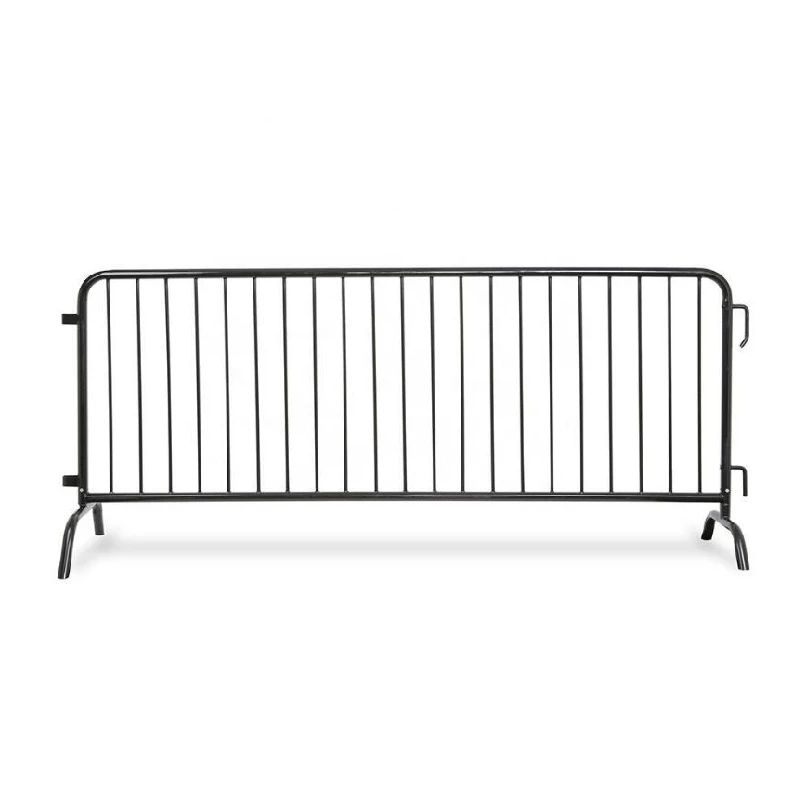
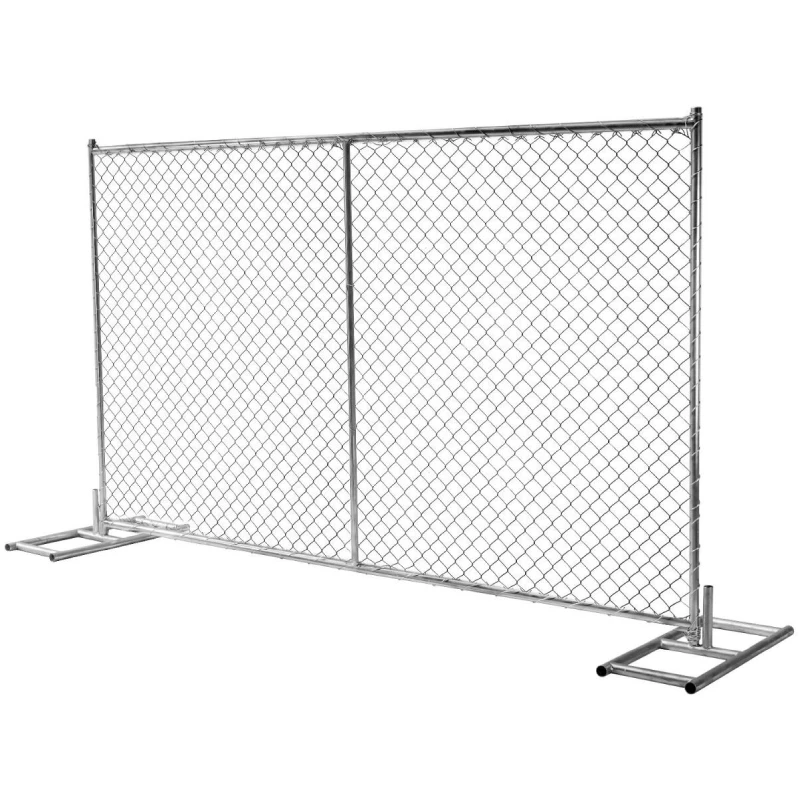
Simply put, hoarding fencing refers to the perimeter barriers erected around an active construction zone to block unauthorized access, protect pedestrians, and control dust and debris. These fences are semi-permanent and often modular, consisting of materials from plywood panels to reinforced steel mesh.
In modern industry, hoarding fencing is also a visual and regulatory signal — letting neighbors and city officials know that a site is sanctioned and in compliance with health and safety standards. From humanitarian field hospitals to major skyscrapers, the concept bridges practical safety needs and public communication.
Core Components of Effective Hoarding Fencing Construction Sites
Durability
The fence must endure heavy weather conditions, impacts from tools or vehicles, and potentially vandals. Many fencing solutions use galvanized steel or treated timber to withstand months of exposure. PVC coatings and anti-corrosion treatments also extend life expectancy, which is crucial for projects spanning over a year.
Scalability and Modularity
Construction projects vary immensely in size — from corner renovations to sprawling airport expansions. Ideal hoarding fencing can be quickly configured and resized without rebuilding from scratch, saving valuable time. Panels that lock together or slide into place are common, allowing for flexible site design.
Cost Efficiency
While initial investment matters, the real cost savings come from reusable, easy-to-install units that minimize labor and downtime. Some suppliers also offer rental models, which are perfect for shorter jobs or for firms trying to reduce capital expenditure.
Safety & Security Features
It’s not just about blocking physical entry — good hoarding fencing is designed with visibility to deter trespassing, and sometimes integrated with digital surveillance or alarms. Reflective surfaces or warning signs also ensure pedestrian safety near busy streets.
Aesthetic and Communication
Increasingly, hoarding fencing serves as temporary art galleries, advertising space, or public noticeboards. This cultural dimension is vital in sensitive urban zones where construction can otherwise be an eyesore, fostering goodwill in the community.
Mini Takeaway
Hoards on construction sites are far more than walls — they’re safety shields, communication tools, and adaptable infrastructure that meet a diverse set of demands.
Global Applications: Where and How Is Hoarding Fencing Construction Site Used?
From Europe to Asia, hoarding fencing is everywhere you’d expect — but also in places you might not. Here’s a quick tour:
- Urban Developments — In cities like New York and Tokyo, hoarding ensures massive tower cranes and concrete pours don’t endanger passersby.
- Industrial Zones — In remote oil fields or manufacturing plants, fencing prevents unauthorized access to dangerous equipment.
- Post-Disaster Relief — NGOs use modular fencing to cordon off medical tents after earthquakes or floods, creating orderly treatment spaces.
- Event Spaces — Temporary concerts and public events often borrow hoarding tech from construction to direct crowds and protect site equipment.
For example, after the 2019 cyclone in Mozambique, rapid deployment of fencing helped stabilize relief supply chains and secure medical clinics. Similarly, many Asian mega-malls from Seoul to Jakarta feature colorful, branded hoards that advertise upcoming projects while ensuring structural safety.
Advantages and Longevity: Why Invest in Quality Hoarding Fencing?
On a practical level, investing in better construction site hoarding fencing drastically reduces theft, site injuries, and complaints — which in turn lowers insurance premiums and legal risks. But there’s also an emotional element: well-designed barriers foster trust with neighbors. They communicate that the project caretakers care enough to mitigate noise, dust, and danger.
Environmentally, sustainable fencing trim waste and are reusable. Some vendors now manufacture panels from recycled plastics or sustainably sourced wood. These trends align with global efforts like the UN’s Sustainable Development Goals (Goal 11: Sustainable Cities).
Future Trends and Innovations on Construction Site Hoarding
Oddly enough, what began as simple barriers has become an arena for tech innovation. Expect to see:
- Smart Hoarding: Integrated sensors that detect vibrations or unauthorized access, pushing alerts to site managers’ phones.
- Eco-Materials: Lightweight composites made from bamboo fiber or recycled ocean plastics.
- Solar-Powered Lighting: Panels with embedded solar lights for better night visibility without extra wiring.
- AR Integration: Augmented reality apps let passersby “see” future buildings through their phone screens while standing outside hoarded zones.
Challenges and Practical Solutions
Of course, not everything is perfect. Some challenges remain:
- Site Access Limitations: High-security hoarding can slow down workers or deliveries if poorly designed.
- Environmental Impact: Improper disposal of old fencing materials adds landfill waste.
- Cost Pressure: Especially on smaller jobs, the fencing can seem an unnecessary expense.
But many companies combat these through modular quick-release panels, recyclable materials, and rental schemes. Plus, training crews on setup efficiency reduces downtime hugely.
Product Specification Table: Typical Hoarding Fencing Panel
| Feature | Specification |
|---|---|
| Material | Galvanized steel frame, plywood or composite panel |
| Dimensions | 2.4 m (height) x 3.0 m (width) typical |
| Weight | ~25 kg per panel |
| Surface Treatment | Powder-coated, anti-corrosion finish |
| Security Features | Lockable gates, anti-climb mesh option |
Vendor Comparison Table: Choosing Your Hoarding Fencing Partner
| Vendor | Material Quality | Customization Options | Rental Availability | Price Range |
|---|---|---|---|---|
| D.Q Fence Solutions | High-grade galvanized steel and composites | Full branding and design support | Available for short- and long-term projects | $$$ |
| Urban Hoarding Co. | Standard steel and MDF panels | Limited customization | Not available | $ |
| Eco-Site Barriers | Recycled plastics and bamboo composites | Moderate options with eco-branding | Seasonal rental available | $$ |
Frequently Asked Questions About Hoarding Fencing Construction Site
1. How quickly can hoarding fencing be installed on a construction site?
Typically, modular hoarding fencing can be set up within a day for small to medium-sized sites, depending on site access and terrain. Rental providers often offer installation services that speed up the process. Preparation and planning are key to avoiding delays.
2. Are hoarding fences reusable across multiple projects?
Yes, durability and modular design mean most hoarding fencing can be dismantled, stored, and redeployed on new sites—making rental or purchase an investment in longevity and sustainability.
3. What security features exist in hoarding fencing to prevent theft or vandalism?
Advanced fencing includes lockable gates, anti-climb mesh, CCTV mounts, and options for sensor integration. Reflective signs and lighting also deter unauthorized access during non-working hours.
4. Can hoarding fencing help reduce dust and noise pollution?
Certain hoarding panels are designed with perforations or sound-dampening materials to reduce noise escape. Dust screens attached to fences are a common and effective method for limiting particulate dispersal to nearby areas.
5. Is it possible to customize hoarding fencing with branding or public messages?
Absolutely. Many companies use hoarding fencing construction site solutions as a canvas for advertising, community information, or art. Custom printing and vinyl wraps are common services offered by vendors.
Wrapping Up: Why Good Hoarding Fencing Projects Pay Off
Investing time and thought into choosing the right hoarding fencing for your construction site isn’t just ticking a legal box; it’s about creating a safe, trustworthy environment that values workers, neighbors, and the planet. As urban projects grow and technology advances, these fences become more than metal and wood — they embody innovation and social responsibility.
For reliable, customizable fencing options that blend safety with style, explore D.Q Fence Solutions. Your site safety might just become your brand’s next tightest security asset.
References:
1. International Labour Organization (ILO). Safety and health in construction. ilo.org
2. United Nations Sustainable Development Goals. Goal 11: Sustainable Cities and Communities. sdgs.un.org
3. ISO/TC 34/SC 17 Temporary fencing standards (draft). iso.org
-
Australian Temporary Fence Panel-Hebei Dunqiang Hardware Mesh Co., Ltd.|Durable&Cost-Effective
NewsMar.02,2026
-
Australian Temporary Fence Panel-Hebei Dunqiang Hardware Mesh Co., Ltd.|Durable&Cost-Effective
NewsMar.02,2026
-
Australian Temporary Fence Panel-Hebei Dunqiang Hardware Mesh Co., Ltd.|Durable&Cost-Effective
NewsMar.02,2026
-
Comprehensive Guide to Durable Free Standing Livestock Panels and Their Uses
NewsFeb.24,2026
-
Choosing the Right Corral Gate for Livestock Management and Farm Security
NewsFeb.11,2026
-
Find High Quality Pipe Corral Panels for Sale and Enhance Livestock Handling
NewsJan.30,2026