Jan . 28, 2026 11:05 Back to list
Comprehensive Guide to Durable 6 Foot Tall Cattle Panels for Livestock Management
Everything You Need to Know About 6 Foot Tall Cattle Panels
When it comes to livestock management, reliable and durable fencing is crucial. 6 foot tall cattle panels are a popular choice for farmers and ranchers, offering a balance of strength, portability, and cost-effectiveness. This article provides a comprehensive overview of these panels, covering their benefits, applications, materials, installation, and considerations when purchasing. Choosing the right panels can significantly improve your livestock containment and overall farm efficiency. We'll explore the key features and factors to consider when selecting these essential fencing solutions.
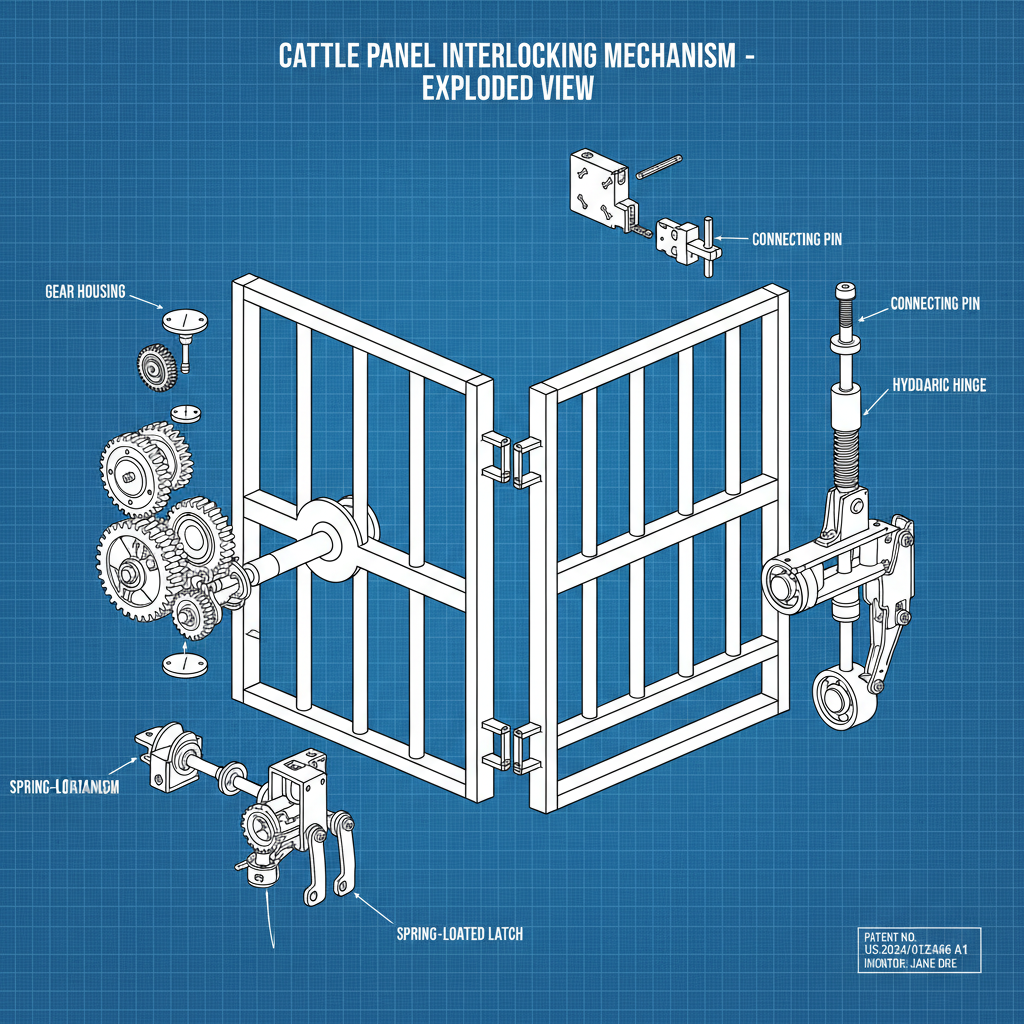
The Advantages of Using 6 Foot Tall Cattle Panels
Investing in 6 foot tall cattle panels offers numerous advantages over traditional fencing materials like wood or barbed wire. Their robust construction provides superior strength and security, effectively containing livestock of various sizes and temperaments. These panels are also incredibly versatile – they can be used for permanent fencing, temporary pens, or even portable corrals. The galvanized steel construction offers excellent resistance to rust and corrosion, ensuring a long service life. Furthermore, cattle panels are safer for animals, minimizing the risk of injury compared to barbed wire. Their ease of installation and maintenance also contributes to reduced labor costs. DQ Fence provides high-quality cattle panels designed for longevity and performance.
Key Highlights: Superior strength and security, versatile applications, long service life, animal-friendly, and easy installation.
Common Applications for 6 Foot Tall Cattle Panels
These panels are incredibly adaptable and find applications in a wide range of livestock management scenarios. They're commonly used for creating permanent pasture fencing, rotational grazing systems, and holding pens for sorting and handling cattle. Farmers also utilize them to construct temporary corrals for livestock shows, sales, or veterinary procedures. They are also ideal for creating safe and secure calving pens. Beyond cattle, these panels can be effectively used for containing horses, sheep, goats, and other livestock. The 6-foot height provides adequate containment for most animals, while the sturdy construction withstands considerable pressure.
Versatile Applications:
• Permanent Pasture Fencing
• Rotational Grazing Systems
• Temporary Holding Pens
• Calving Pens
• Containing Various Livestock Species
6 Foot Tall Cattle Panels: Materials and Construction
Most 6 foot tall cattle panels are constructed from heavy-duty, welded steel wire. The wire gauge (thickness) is a critical factor influencing the panel's strength and durability. Typically, panels utilize steel wire ranging from 11.5 gauge to 9.5 gauge, with lower gauge numbers indicating thicker, stronger wire. Galvanization is the most common coating applied to the steel to prevent rust and corrosion. Some panels also feature a powder-coated finish for enhanced durability and aesthetic appeal. The vertical rails are typically spaced 8-10 inches apart, providing secure containment for livestock. The horizontal rails are welded to the vertical rails creating a strong and rigid structure.
Installation and Best Practices for Cattle Panels
Installing 6 foot tall cattle panels is generally a straightforward process. Posts should be spaced 8-10 feet apart for optimal stability. Using treated wooden posts or steel T-posts is recommended. Secure the panels to the posts using appropriate clips or fasteners. Ensure the panels are level and plumb to prevent sagging or instability. When creating corners or curves, consider using hinged joints for greater flexibility. For temporary fencing, using portable post drivers can significantly speed up the installation process. Regularly inspect the panels and fasteners for damage or wear and tear, and make any necessary repairs promptly.
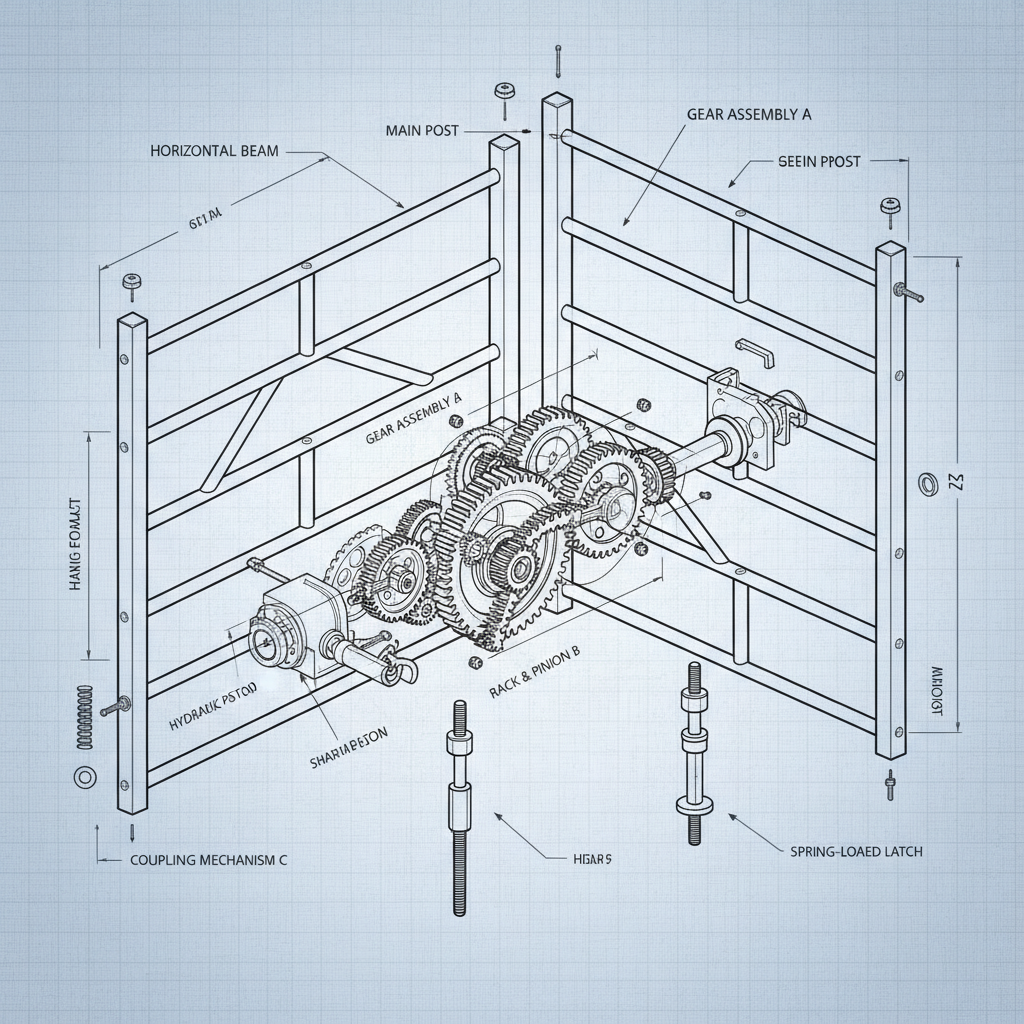
Choosing the Right 6 Foot Tall Cattle Panels: Key Considerations
When purchasing cattle panels, several factors should be considered. The gauge of the steel wire is paramount – thicker wire provides greater strength. The type of coating (galvanized or powder-coated) impacts the panel’s durability and resistance to corrosion. Consider the spacing of the vertical rails, ensuring it’s appropriate for the type of livestock you’re containing. Evaluate the overall quality of the welding – strong, consistent welds are essential for structural integrity. Finally, choose a reputable supplier like DQ Fence to ensure you’re receiving high-quality products and reliable customer support.
Conclusion: Investing in Quality Cattle Panels
Investing in high-quality 6 foot tall cattle panels is a smart investment for any livestock operation. They provide a secure, durable, and versatile fencing solution that can improve your farm’s efficiency and protect your valuable livestock. By carefully considering the factors outlined in this article and choosing a trusted supplier like DQ Fence, you can ensure you’re getting the best possible fencing solution for your needs.
Frequently Asked Questions (FAQs)
What is the typical lifespan of 6 foot tall cattle panels?
The lifespan of cattle panels varies depending on factors such as the quality of materials, the coating type, and environmental conditions. However, with proper maintenance, galvanized steel panels can typically last 10-20 years or even longer. Powder-coated panels often have an extended lifespan due to their superior corrosion resistance. Regular inspection for rust, damage, and loose fasteners is crucial to maximizing the lifespan of your panels. Replacing damaged panels promptly will also prevent further deterioration of the surrounding fencing.
How much weight can a 6 foot tall cattle panel typically hold?
The weight capacity of a cattle panel depends on the wire gauge, construction quality, and post spacing. However, a typical 6 foot tall cattle panel can safely withstand significant pressure from livestock. Generally, they are designed to withstand the force of cattle leaning against them or rubbing. It’s recommended to consult the manufacturer’s specifications for the specific weight capacity of the panels you are considering. Proper post installation and spacing are also crucial for ensuring the fence can withstand the intended load.
Are 6 foot tall cattle panels suitable for horses?
While 6 foot tall cattle panels can be used for horses, it's essential to consider their unique behaviors. Horses tend to rub and kick at fences more frequently than cattle. Therefore, selecting panels with a heavier gauge wire and a robust construction is crucial. It’s also recommended to use additional bracing or protection on the inside of the fence to prevent horses from getting their legs entangled. Smooth wire panels or those with smaller openings are generally preferred for horse fencing to minimize the risk of injury.
What’s the difference between galvanized and powder-coated cattle panels?
Both galvanized and powder-coated cattle panels offer corrosion resistance, but they differ in their application and durability. Galvanization involves coating the steel with a layer of zinc, which protects it from rust. Powder coating applies a dry powder finish that is then cured under heat, creating a more durable and chip-resistant coating. Powder-coated panels generally offer superior corrosion resistance and a more aesthetically pleasing finish, but they may be slightly more expensive than galvanized panels.
-
Australian Temporary Fence Panel-Hebei Dunqiang Hardware Mesh Co., Ltd.|Durable&Cost-Effective
NewsMar.02,2026
-
Australian Temporary Fence Panel-Hebei Dunqiang Hardware Mesh Co., Ltd.|Durable&Cost-Effective
NewsMar.02,2026
-
Australian Temporary Fence Panel-Hebei Dunqiang Hardware Mesh Co., Ltd.|Durable&Cost-Effective
NewsMar.02,2026
-
Comprehensive Guide to Durable Free Standing Livestock Panels and Their Uses
NewsFeb.24,2026
-
Choosing the Right Corral Gate for Livestock Management and Farm Security
NewsFeb.11,2026
-
Find High Quality Pipe Corral Panels for Sale and Enhance Livestock Handling
NewsJan.30,2026