Jan . 27, 2026 19:15 Back to list
Comprehensive Guide to Durable 16 ft Livestock Panels for Secure Animal Management
Understanding 16 ft Livestock Panels: A Comprehensive Guide
When managing livestock, secure and reliable fencing is paramount. 16 ft livestock panels offer a versatile and robust solution for containing animals, creating temporary pens, or establishing permanent enclosures. This article delves into the benefits, applications, and considerations when choosing these panels, providing valuable insights for farmers, ranchers, and animal handlers. Proper fencing ensures animal welfare, reduces stress, and minimizes the risk of escape. We will explore the key factors to help you select the best panels for your specific needs.
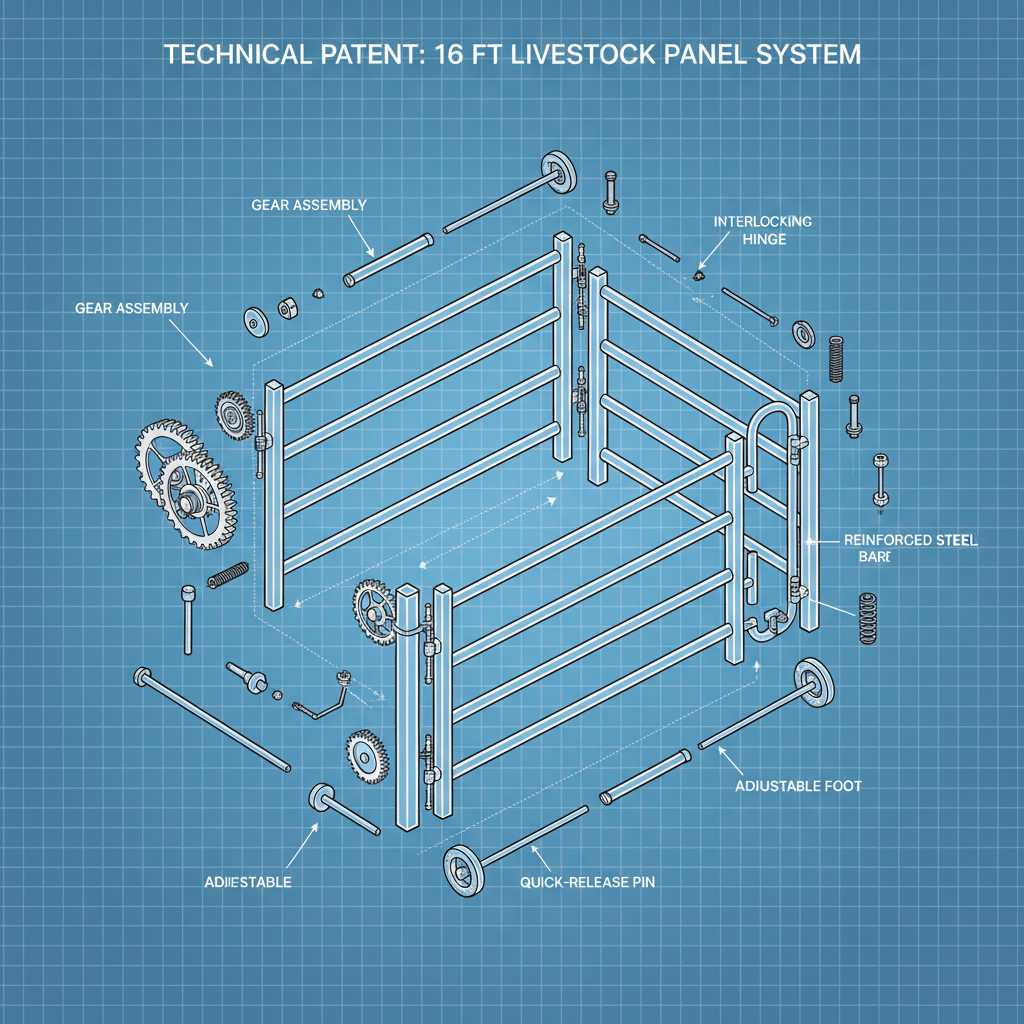
The Benefits of Choosing 16 ft Livestock Panels
16 ft livestock panels are a popular choice for a variety of reasons. Their length provides excellent coverage, minimizing the number of panels required for a given enclosure. Constructed from heavy-duty steel, these panels are incredibly durable and can withstand the force of large animals. They are also easily portable, allowing for quick setup and relocation as needed. Furthermore, the galvanized finish offers excellent corrosion resistance, ensuring a long service life even in harsh weather conditions. These panels represent a significant investment in your livestock management infrastructure.
Key Highlights: Durable steel construction, easy portability, galvanized corrosion resistance, versatile applications, and reduces labor costs.
Applications of 16 ft Livestock Panels
The versatility of 16 ft livestock panels extends to a broad range of applications. They are commonly used for creating temporary holding pens during livestock sorting or veterinary procedures. They’re ideal for establishing permanent pastures and paddocks, offering a cost-effective and efficient fencing solution. Moreover, these panels are frequently utilized at livestock shows and auctions to create secure and organized animal display areas. They can also be integrated with existing fencing systems to reinforce weak points or create specialized enclosures. From cattle and horses to sheep and goats, these panels can accommodate a diverse range of animals.
Versatility in Action:
• Temporary holding pens
• Permanent pasture fencing
• Livestock show/auction displays
• Reinforcing existing fencing
Choosing the Right 16 ft Livestock Panel: Key Considerations
Selecting the appropriate 16 ft livestock panels requires careful consideration of several factors. The type of livestock you’re containing is crucial – larger, stronger animals require heavier-duty panels with smaller mesh openings. The height of the panel is also important, especially for taller animals like horses. Consider the terrain; panels with reinforced feet are ideal for uneven ground. Finally, the gauge (thickness) of the steel tubing significantly impacts durability; heavier gauges offer superior strength. DQ Fence provides a wide selection to meet these varying needs.
Comparing Costs: 16 ft Livestock Panels vs. Traditional Fencing
While initial costs may vary, 16 ft livestock panels often prove more cost-effective than traditional fencing options in the long run. Traditional wood fencing requires ongoing maintenance, such as painting and repair, while wire fencing can be prone to damage and requires frequent tensioning. Livestock panels require minimal maintenance and offer superior durability. Furthermore, the ease of installation reduces labor costs. Here's a simplified comparison:
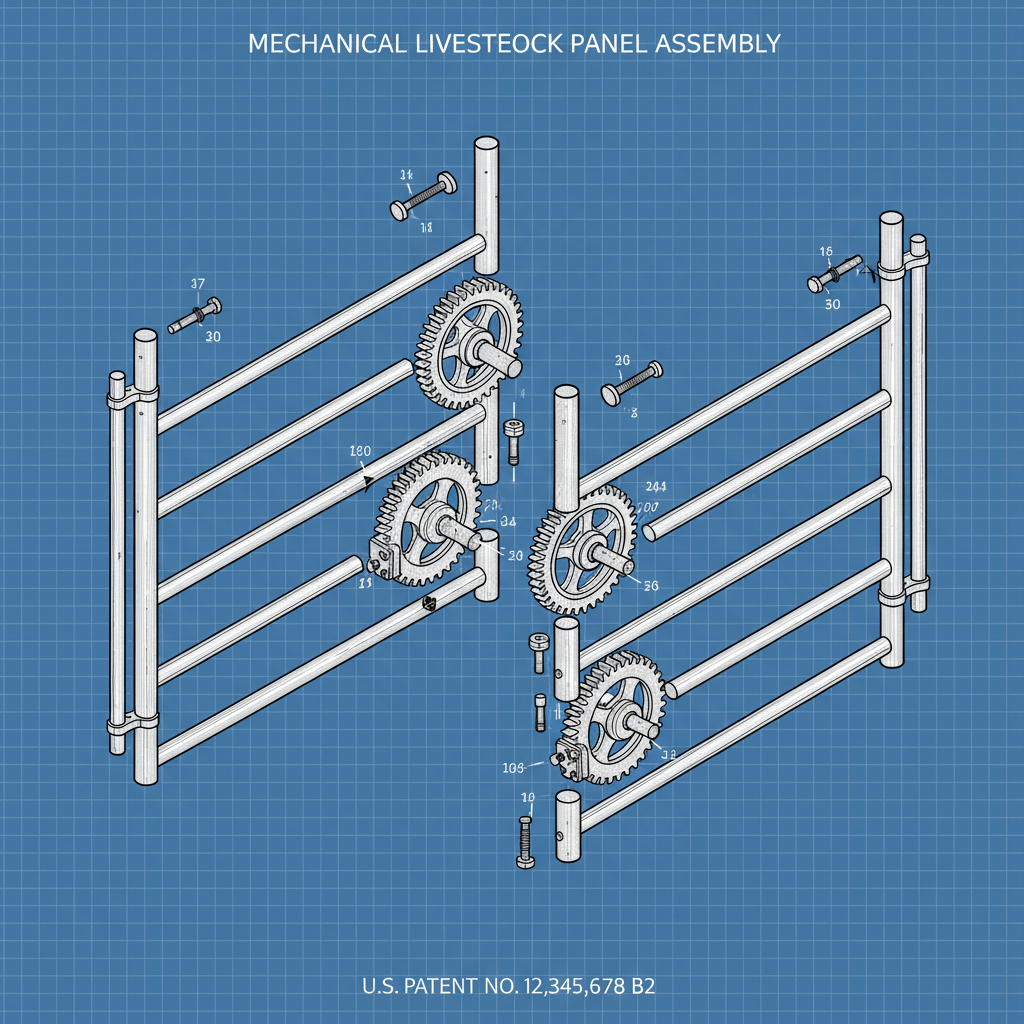
Product Specifications: DQ Fence 16 ft Livestock Panels
At DQ Fence, we offer a range of high-quality 16 ft livestock panels to suit your specific needs. Here are some key specifications:
Conclusion: Secure Your Livestock with Durable Panels
Investing in quality 16 ft livestock panels from DQ Fence is a smart decision for any livestock owner. These panels offer a blend of durability, versatility, and cost-effectiveness, providing a secure and reliable solution for containing your animals. Protect your investment and ensure the well-being of your livestock with the right fencing.
Frequently Asked Questions (FAQs)
What is the recommended spacing between 16 ft livestock panels?
The ideal spacing between panels depends on the type of livestock you're containing. For cattle, a spacing of 8-10 feet is generally sufficient. For smaller animals like sheep or goats, you may need to reduce the spacing to 6-8 feet to prevent escape. It’s crucial to consider the animal's size and agility when determining the optimal spacing. Ensure the spacing doesn't create gaps large enough for animals to pass through.
How do I connect 16 ft livestock panels together?
Most 16 ft livestock panels are designed with interlocking features, allowing for easy and secure connection. Typically, this involves inserting metal pins or clips through pre-drilled holes in the panel frames. Some panels may also use brackets or clamps for added stability. It is essential to ensure all connections are tight and secure before releasing livestock into the enclosure. DQ Fence panels are designed for simple, no-tool assembly.
Are 16 ft livestock panels suitable for horses?
Yes, 16 ft livestock panels can be suitable for horses, but it's crucial to choose panels with the appropriate height and strength. Horses require taller panels (at least 6 ft) to prevent jumping, and heavier gauge steel to withstand their strength. Ensure the mesh size is small enough to prevent horses from getting their heads or legs caught. Panels with rounded edges are also recommended to minimize the risk of injury.
What is the lifespan of galvanized steel livestock panels?
Galvanized steel livestock panels typically have a lifespan of 10-20 years, depending on environmental conditions and maintenance. The galvanization process provides excellent corrosion resistance, but exposure to salt spray, harsh chemicals, or abrasive conditions can accelerate corrosion. Regular inspection and cleaning can help extend the lifespan of the panels.
-
Australian Temporary Fence Panel-Hebei Dunqiang Hardware Mesh Co., Ltd.|Durable&Cost-Effective
NewsMar.02,2026
-
Australian Temporary Fence Panel-Hebei Dunqiang Hardware Mesh Co., Ltd.|Durable&Cost-Effective
NewsMar.02,2026
-
Australian Temporary Fence Panel-Hebei Dunqiang Hardware Mesh Co., Ltd.|Durable&Cost-Effective
NewsMar.02,2026
-
Comprehensive Guide to Durable Free Standing Livestock Panels and Their Uses
NewsFeb.24,2026
-
Choosing the Right Corral Gate for Livestock Management and Farm Security
NewsFeb.11,2026
-
Find High Quality Pipe Corral Panels for Sale and Enhance Livestock Handling
NewsJan.30,2026