GET A QUOTE

Nov . 25, 2025 07:00 Back to list
Anti Climb Temporary Fencing - Secure, Durable & Fast Deployment Solutions
Why Anti Climb Temporary Fencing Matters in Today’s World
Anti climb temporary fencing has quickly become a vital solution across many industries worldwide. Why? Well, at its core, it’s about safety, security, and rapid deployment — all crucial when controlling access or protecting sensitive sites. From construction zones to humanitarian relief areas, having fencing that’s both tough to climb and easy to install means fewer accidents, fewer thefts, and better crowd management. Oddly enough, the global demand for such fencing aligns with an increase in urban development, infrastructure projects, and emergency response efforts, especially in the last decade. According to UN-Habitat, approximately 68% of the world’s population is projected to live in urban areas by 2050. With urban sprawl comes the increasing need for secure perimeter solutions that also adapt to fast-changing requirements. Hence, understanding anti climb temporary fencing is no longer niche — it’s central to modern project planning and safety standards. Mini takeaway: Simply put, these fences help keep people safe and projects secure without the hassle or permanence of traditional fencing.The Global Challenge: Why Security Fencing Needs to Evolve
Around the globe, construction theft and unauthorized access cause billions of dollars’ worth of damage annually. Not to mention, in humanitarian crises, refugee camps, or disaster zones, establishing safe perimeters quickly can mean the difference between order and chaos. The ISO 25901-1 standard even highlights requirements for temporary fencing systems in environments with high pedestrian traffic — pointing to growing concerns internationally. Yet, many traditional temporary fences are easily scaled, cut, or bypassed. Enter anti climb temporary fencing: designed specifically to deter climbing and unauthorized entry. It’s a direct response to rising security challenges — offering a safer, more reliable perimeter that’s still transportable and cost-effective. Mini takeaway: As the world gets busier and more complex, fencing that’s both secure and flexible is no longer optional.What Exactly Is Anti Climb Temporary Fencing?
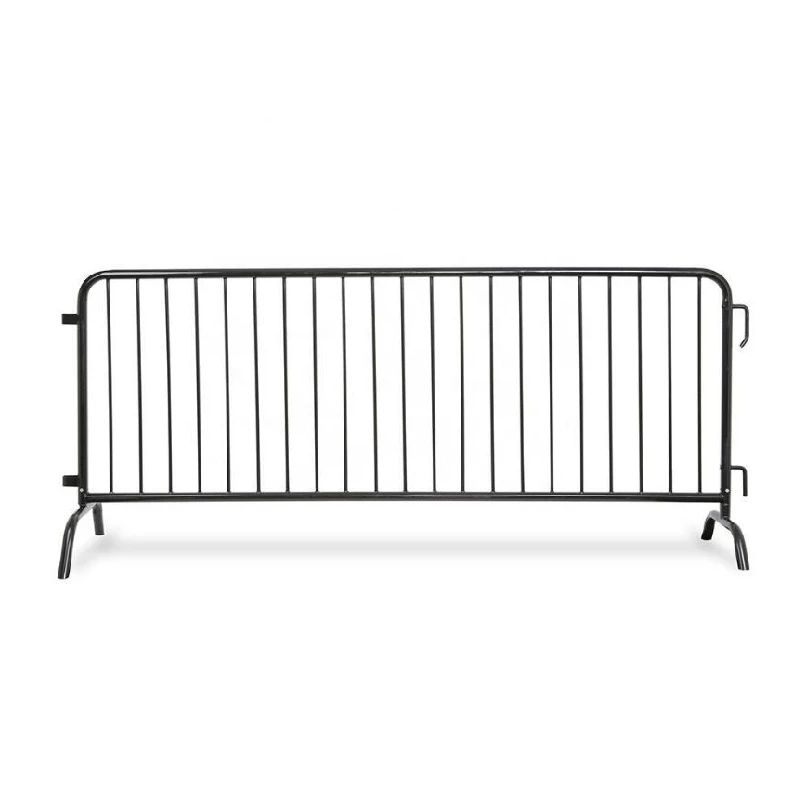
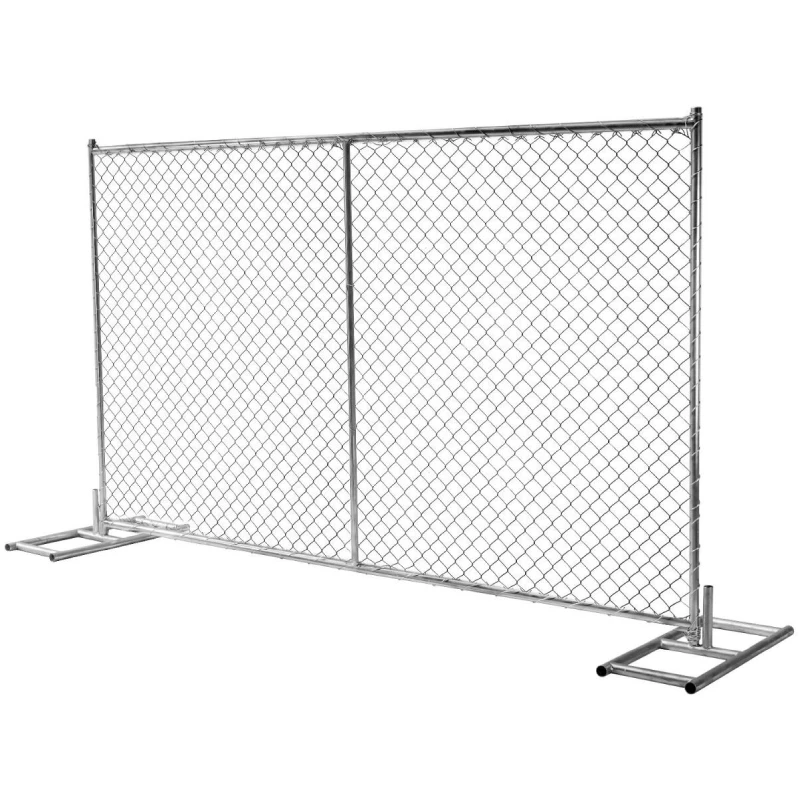
In simple terms, anti climb temporary fencing is a modular, portable barrier system engineered to prevent climbing attempts. Usually made from tightly woven steel mesh panels or high-tensile galvanized wires, these fences feature no footholds or hand grips — making them incredibly tough to scale. This type of fencing is temporary, so it can be quickly erected or dismantled as project needs shift. Its importance spans modern industries such as construction, events, industrial sites, and disaster relief, where rapid but reliable crowd control and site protection are crucial. Think of it as the sturdy but nimble cousin of permanent security fencing — designed to get the job done, then move on when the job’s finished.Key Components that Make It Work
- Durability: High-grade galvanization prevents rust, crucial in harsh weather or coastal sites.
- Anti Climb Weave: Fine mesh patterns that deny footholds and handholds.
- Modularity: Easy panel connections enable flexible layout adjustments on the fly.
- Portability: Lightweight frames and stacking designs cut transportation costs.
- Visibility: Offers clear site views without compromising security — so workers and supervisors can monitor easily.
How Industries Around the World Use Anti Climb Temporary Fencing
The usage of anti climb temporary fencing covers a surprising breadth of applications globally: - In construction: It protects expensive equipment and prevents accidents near active sites in North America and Europe. - Disaster response: In post-tsunami Japan or refugee camps in Africa (e.g., Kenya), these fences secure humanitarian aid zones to safeguard both supplies and vulnerable populations. - Events and festivals: Major sporting events in Australia or music festivals in Europe deploy these fences for fast crowd control. - Industrial sectors: Remote mining sites in South America use them for perimeter security, often under extreme weather. For example, a large infrastructure project in Dubai used anti climb temporary fencing to secure a busy roadway expansion site, reportedly reducing theft incidents by 40% within three months. Meanwhile, UN agencies have adopted similar fencing systems in refugee settings to promote safety and maintain order.Specifications to Consider Before Buying
| Specification | Typical Value | Remarks |
|---|---|---|
| Panel Size | 2.4 m (H) x 3.0 m (W) | Standard across most vendors |
| Mesh Size | 12.7 x 76.2 mm wire spacing | Prevents footholds |
| Material | Galvanized steel wire | Corrosion resistant |
| Weight per panel | ~35 kg | Manageable for manual handling |
| Total Height Options | From 1.8 m to 2.4 m | Customized based on site needs |
Comparing Leading Anti Climb Temporary Fence Vendors
| Vendor | Mesh Design | Material Quality | Installation Time | Price Range (per panel) |
|---|---|---|---|---|
| DQ Fence | Fine 12.7x76.2 mm | Hot dip galvanized steel | 15 minutes per panel | $80 - $100 |
| SecureStep | Coarser mesh, 20x100 mm | Powder coated steel | 20 minutes per panel | $75 - $90 |
| FastFence Pro | Interwoven mesh, 15x80 mm | Galvanized & PVC coated | 12 minutes per panel | $90 - $110 |
Advantages and Long-Term Value
There’s something oddly reassuring about a fence that stops you in your tracks without looking imposing or monstrous. Anti climb temporary fencing isn’t just functional — it’s a promise of security and dignity, whether you’re a construction manager or a refugee camp organizer. Logical benefits include: - Cost efficiency: Reusable panels mean expenses spread over years. - Sustainability: Hot-dip galvanization extends lifespan, reducing waste. - Safety: No sharp edges, minimal risk for workers or passersby. - Flexibility: Adjustable setups suit different site sizes and requirements. - Trust & Reputation: Clients feel secure knowing sites are protected by proven technology. Emotionally, it's the peace of mind for communities and workers — less worry about theft, vandalism, or accidents, more focus on the tasks at hand. Mini takeaway: Beyond dollars and cents, it’s the social impact and trustworthiness that make these fences invaluable.Emerging Trends Shaping the Future
Innovations in materials like composite fiber meshes are pushing weight down while boosting strength. Meanwhile, some vendors are integrating solar-powered sensors and LED lighting to boost nighttime visibility and alert on breaches — part of a broader “smart fencing” movement embracing automation. Environmentally conscious buyers influence suppliers to offer eco-friendly coatings and recyclable fence components. Also, digital project management tools let construction crews monitor fence layouts remotely, confirming everything’s intact without a daily on-site walk.Challenges and How Experts Navigate Them
Even the best fencing faces challenges: - Installation delays due to uneven terrain. Solution? Adjustable base supports and modular feet designs that contour to ground. - Potential theft of fence panels themselves. Experts recommend integrating CCTV and locks with the fencing systems. - Wear-and-tear from extreme weather. Going beyond galvanization, some suppliers offer powder coating or PVC layers for harsher climates. Overall, combined with smart planning and good on-site management, these solutions keep the fences doing their job well.FAQ: Your Anti Climb Temporary Fencing Questions Answered
Q1: How quickly can anti climb temporary fencing be set up on a construction site?A: Most panels take roughly 10–20 minutes to install per unit by two workers, depending on terrain and site conditions. Modular design speeds processes, and stacking systems allow rapid assembly and relocation. Q2: Can these fences be reused multiple times without losing effectiveness?
A: Yes, high-quality panels made of galvanized steel can be reused many times over several years, maintaining anti climb properties and structural integrity if properly handled. Q3: Are these fences suitable for rainy or coastal environments?
A: Absolutely. The galvanized coating offers corrosion protection, but for extra durability, some manufacturers add powder-coat or PVC finishes to withstand salt spray and humidity. Q4: How do anti climb temporary fences compare cost-wise to traditional barriers?
A: Though slightly more expensive upfront, they save money long term by reducing theft, damage, and reinstallation expenses. They also lessen liability risks by preventing unauthorized site access. Q5: Can these fences be customized for specific height or security needs?
A: Many suppliers offer panels ranging from 1.8 to 2.4 meters tall, and some provide additional anti-intrusion features like spike tops or integrated cameras per project requirements.
Conclusion: Securing Tomorrow with Flexible, Durable Fences
In a world that demands flexibility without compromising safety, anti climb temporary fencing stands out as a smart, practical answer to evolving security challenges. Its blend of modularity, durability, and innovative design keeps sites safe and projects moving forward, no matter where you are on the globe. For more detailed options and tailored quotes, visit anti climb temporary fencing specialists — they might just have precisely what your job site needs to stay a step ahead. ---References
Latest News
-
Australian Temporary Fence Panel-Hebei Dunqiang Hardware Mesh Co., Ltd.|Durable&Cost-Effective
NewsMar.02,2026
-
Australian Temporary Fence Panel-Hebei Dunqiang Hardware Mesh Co., Ltd.|Durable&Cost-Effective
NewsMar.02,2026
-
Australian Temporary Fence Panel-Hebei Dunqiang Hardware Mesh Co., Ltd.|Durable&Cost-Effective
NewsMar.02,2026
-
Comprehensive Guide to Durable Free Standing Livestock Panels and Their Uses
NewsFeb.24,2026
-
Choosing the Right Corral Gate for Livestock Management and Farm Security
NewsFeb.11,2026
-
Find High Quality Pipe Corral Panels for Sale and Enhance Livestock Handling
NewsJan.30,2026