Dec . 07, 2025 14:31 Back to list
A Comprehensive Guide to Cattle Fencing Prices: Costs, Benefits & Trends
Cattle Fencing Prices: Understanding Costs and Value in Livestock Security
If you’re managing farmland, ranches, or any large-scale livestock operation, the cost of securing your animals is likely a familiar concern. Cattle fencing prices may not be the sexiest topic, but frankly, they play a crucial role in sustainable farming worldwide. Knowing the ins and outs of these costs isn’t just about budgeting—it’s about ensuring your herd’s safety, optimizing land use, and even supporting local economies that depend on livestock health.
Why Cattle Fencing Prices Matter Globally
Globally, cattle farming contributes substantially to the food supply and rural livelihoods. According to the Food and Agriculture Organization (FAO), over 1.5 billion cattle populate the earth, and fencing remains a fundamental factor in managing these herds effectively. The price of cattle fencing impacts everything from smallholder farms in East Africa to massive ranches in Australia and the United States. Moreover, fencing influences land conservation, animal health, and export standards—making understanding cattle fencing prices a priority not only for farmers but also policymakers focused on food security.
However, there’s a challenge: with fluctuating steel prices and varied labor costs, the overall expense of installable cattle fences differs drastically by region. For example, increases in global steel tariffs ripple through fencing prices, leading to tighter profit margins for farmers who can least afford surprises.
What Exactly Are Cattle Fencing Prices?
Simply put, cattle fencing prices are the total costs involved in purchasing and erecting fences designed specifically to contain and protect cattle. This includes the cost of materials like wire or mesh, posts, gates, labor for installation, and maintenance over time. It’s important to note that these prices aren’t uniform; they vary with fence type (e.g., barbed wire, electric, woven wire), length, terrain difficulty, and regional labor markets.
The significance of these prices goes beyond dollars and cents. They connect directly to agricultural productivity, animal welfare, and even humanitarian needs where livestock provide critical income after natural disasters. For developing regions, affordable and durable fencing can be the difference between poverty and stable livelihood.
Core Components Affecting Cattle Fencing Prices
1. Material Quality and Durability
The choice between galvanized steel wire, high-tensile wire, or synthetic options influences both upfront cost and longevity. Durable materials may cost more initially but significantly reduce frequent repairs.
2. Fence Type and Design
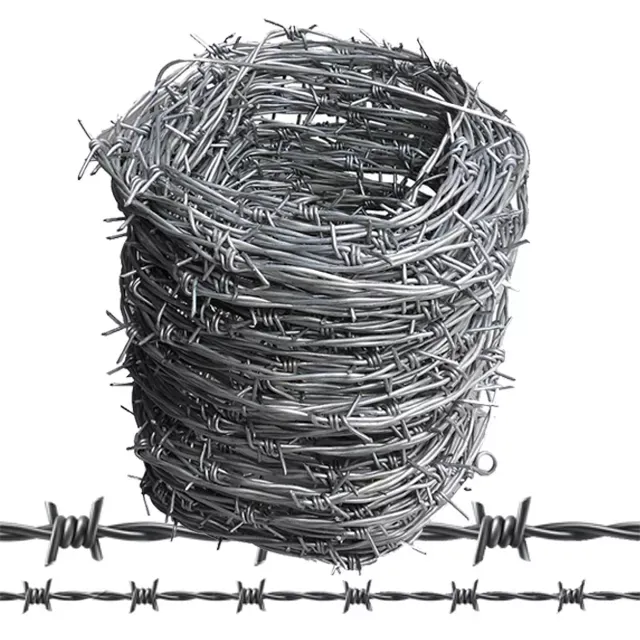
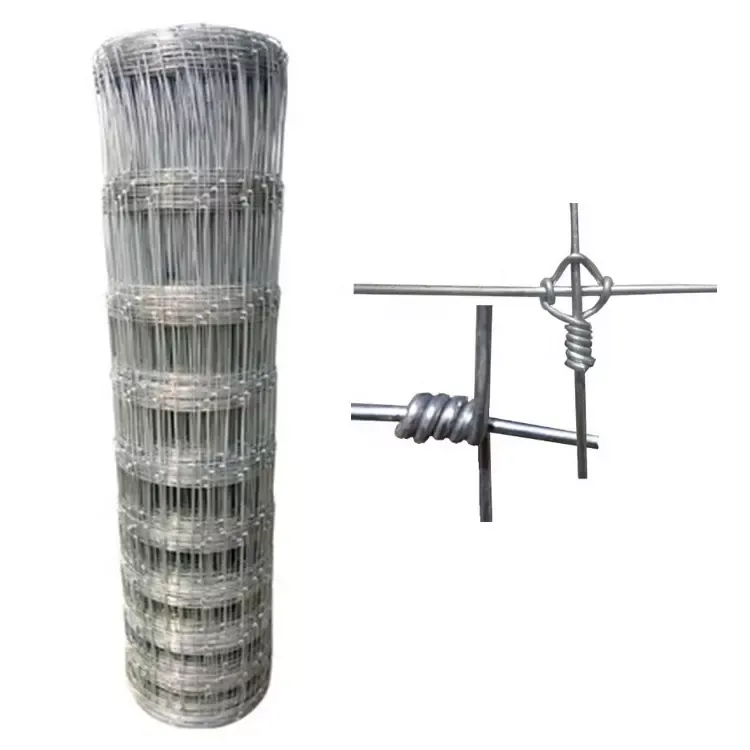
Are you opting for simple barbed wire fencing or a more secure woven mesh? Electric fencing components add complexity and price but can provide flexibility and control that's hard to match with static fences.
3. Land Topography and Length
Fencing steep or rocky terrain calls for extra posts or custom installation techniques, raising the price per linear meter. Naturally, larger pasture areas mean more wire and gate systems.
4. Labor and Installation Costs
Local wage rates and the availability of skilled labor directly impact installation costs. Sometimes, remote areas have higher shipping and installation fees that bump prices accordingly.
5. Maintenance and Longevity
Fencing needs upkeep—rust prevention, fixing breaks, or re-tensioning wires. Factoring these into the pricing model can save surprises down the road.
Typical Specification Table for Cattle Fencing Materials
| Fence Type | Material | Average Cost (per meter) | Durability (Years) | Maintenance Level |
|---|---|---|---|---|
| Barbed Wire | Galvanized Steel | $3.50 | 5–8 | Medium |
| Woven Wire | High-Tensile Steel | $7.00 | 10–15 | Low |
| Electric Fence | Steel Wire + Energizer | $5.50 | 7–12 | Medium to High |
| Synthetic Fence | Polymer Fibers | $8.50 | 12–20 | Low |
How Cattle Fencing Pricing Plays Out Globally: Real-World Applications
In Australia, huge cattle stations covering thousands of hectares rely heavily on wired fencing, where the labor and materials balance need to make economic sense. Over in Kenya and Tanzania, smallholder farmers use cheaper, locally-sourced materials for fencing, often in community-managed projects that keep the costs manageable. Meanwhile, industrialized countries like the U.S. and Canada employ advanced electric fences integrated with automated systems to prevent animal intrusion and theft, reflecting higher initial costs but better long-term control.
Oddly enough, in post-disaster zones such as Haiti or parts of Southeast Asia, quick-to-install fencing with moderate costs helps NGOs safeguard livestock, which in turn supports food security and income restoration. It highlights how flexible cattle fencing prices can align with both commercial and humanitarian goals.
Worldwide Vendor Comparison: Pricing and Features
| Vendor | Fence Types Offered | Price Range (per meter) | Lead Time | Customer Rating |
|---|---|---|---|---|
| AQFence | Barbed Wire, Electric | $3.00 - $5.75 | 2 - 4 weeks | 4.2/5 |
| SteelSecure | Woven Wire, High-Tensile | $6.50 - $8.00 | 3 - 5 weeks | 4.6/5 |
| EcoFence Co. | Synthetic, Electric | $7.25 - $9.00 | 4 - 6 weeks | 4.0/5 |
Advantages and Long-Term Value of Investing in Quality Cattle Fencing
- Cost efficiency over time: Spending a little more up front can reduce repair cycles and animal loss risks.
- Increased animal safety and welfare: Better fencing reduces injury and escapes, fostering trust in livestock management.
- Environmental benefits: Proper fencing supports pasture rotation and land conservation, enhancing sustainability.
- Social impact: Reliable fencing empowers rural communities by securing assets and sustaining livelihoods.
It feels like an obvious win, but sometimes the temptation to cut initial costs leads to bigger headaches later. The right cattle fencing price truly reflects a balanced investment, with both emotional comfort for caretakers and logical assurance for business.
Emerging Trends & Innovations in Cattle Fencing Prices
The future promises some cool shifts: solar-powered electric fences help reduce ongoing energy costs and cut carbon footprints. Also, smart sensors are slowly being integrated into fence lines to detect breaches or weak spots in real time. Materials like recycled polymers or composite fibers are gaining traction, offering durability without the weight or rust issues of steel. Standardization efforts (ISO 17867 for fencing systems, for example) are beginning to influence pricing transparency as well.
Challenges and Smart Solutions
Despite technological advances, the main hurdles remain: fluctuating raw material costs, accessibility for small-scale farmers, and maintenance in harsh conditions. Experts often recommend modular fencing systems as a flexible, cost-effective alternative that allows incremental investment and easier repairs. Additionally, local sourcing of materials paired with community labor can cut costs while boosting local economies.
FAQ: Common Questions About Cattle Fencing Prices
- What influences the price difference between barbed wire and woven wire fencing?
- Barbed wire is generally cheaper due to lower material and installation complexity. Woven wire offers better security and longevity but costs more upfront. Terrain and fence height also play a role.
- Are electric fences more cost-effective in the long run?
- Often yes, because they require less material and reduce animal damage to fences. However, they need power sources and occasional maintenance, which can add up depending on location.
- Can I install cattle fencing myself to save money?
- Yes, but only if you have experience and the right tools. Poor installation can lead to higher costs from damage or escapes later.
- How can farmers in remote areas manage fencing costs?
- Using locally available materials and community labor, or selecting modular fencing options, can significantly reduce both purchase and maintenance expenses.
- Where can I compare current cattle fencing prices and products?
- The best place to start is trusted industry websites like cattle fencing prices, which provide updated pricing, vendor options, and installation tips.
Conclusion: Making Smart Investments in Cattle Fencing
Understanding cattle fencing prices isn’t just about getting the cheapest product. It’s about assessing value, durability, and suitability for your specific needs. Good fencing protects your livelihood, keeps your animals safe, and supports sustainable farming practices that matter globally. If you’re ready to explore your options and get the best balance of price and performance, I highly recommend visiting cattle fencing prices for the latest insights and offers.
Mini takeaway: The smartest fences balance cost with quality and are tailored to your land and livestock needs — not a one-size-fits-all deal.
References
-
Australian Temporary Fence Panel-Hebei Dunqiang Hardware Mesh Co., Ltd.|Durable&Cost-Effective
NewsMar.02,2026
-
Australian Temporary Fence Panel-Hebei Dunqiang Hardware Mesh Co., Ltd.|Durable&Cost-Effective
NewsMar.02,2026
-
Australian Temporary Fence Panel-Hebei Dunqiang Hardware Mesh Co., Ltd.|Durable&Cost-Effective
NewsMar.02,2026
-
Comprehensive Guide to Durable Free Standing Livestock Panels and Their Uses
NewsFeb.24,2026
-
Choosing the Right Corral Gate for Livestock Management and Farm Security
NewsFeb.11,2026
-
Find High Quality Pipe Corral Panels for Sale and Enhance Livestock Handling
NewsJan.30,2026